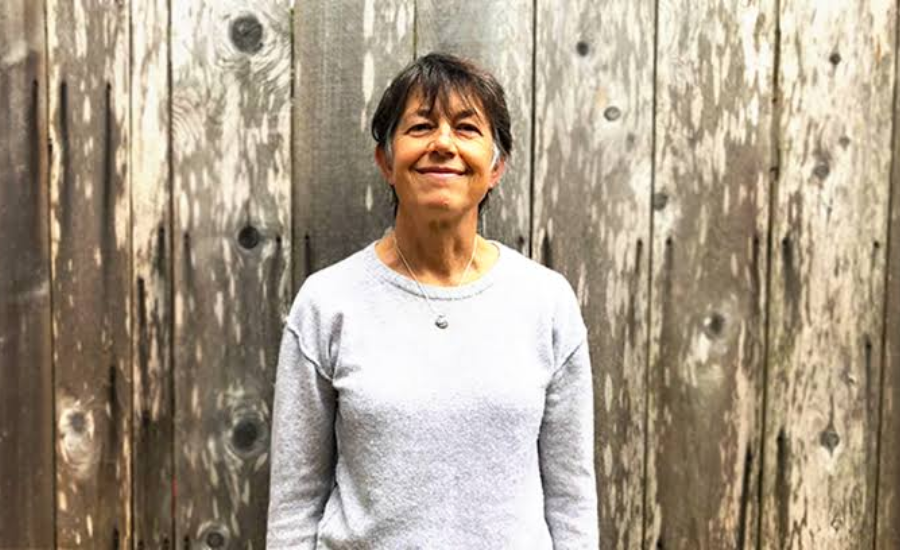

Hanspeter Sinner works as a chef at a restaurant in Val Pusteria, Italy. He prepares meals for skiers and tourists visiting the South Tyrol region. His name became known internationally because his son Jannik reached number one in world tennis rankings.
He was born sometime in the 1960s in northern Italy. Exact birth details have never been shared publicly. He keeps his personal life private despite his son’s global fame.
His choices as a parent shaped one of tennis’s biggest stars. He let his thirteen-year-old son leave home to train hours away. He encouraged independence over protection.
Quick Bio Facts
| Category | Details |
|---|---|
| Full Name | Hanspeter Sinner (also referred to as Johann Sinner) |
| Born | Approximately 1960s (exact date unknown) |
| Age (2026) | Estimated 50s-60s |
| Birthplace | South Tyrol, Italy |
| Nationality | Italian (South Tyrolean) |
| Language | German (primary), Italian |
| Occupation | Chef at restaurant/ski lodge |
| Workplace | Val Pusteria region, Italy |
| Residence | Sexten (Sesto), Italy |
| Wife | Siglinde Sinner |
| Children | Marc Sinner (older son, adopted from Russia, born 1998), Jannik Sinner (younger son, born August 16, 2001) |
| Known For | Father of world number one tennis player Jannik Sinner |
| Cultural Background | South Tyrolean German-speaking community |
| Public Profile | Extremely private, rarely gives interviews |
| Son’s Achievement | First Italian male to reach ATP world number one ranking (June 2024) |
South Tyrol Background
Hanspeter comes from South Tyrol, the northernmost region of Italy. This area sits in the Alps bordering Austria and Switzerland. The region has unique cultural identity distinct from rest of Italy.
Approximately ninety-five percent of people in Sexten speak German as their first language. Italian and Ladin are also spoken. The population maintains strong connections to Austrian and Germanic traditions.
The landscape features dramatic mountain ranges, ski resorts, and outdoor recreation. Tourism drives much of the local economy. Many residents work in hospitality, skiing, or mountain tourism industries.
This Alpine environment shaped Hanspeter’s values. The culture emphasizes discipline, hard work, community connection, and respect for tradition. These principles influenced how he raised his children.
Career as Restaurant Chef
Hanspeter works as a chef at a ski lodge restaurant. The specific establishment is located in Val Pusteria, an Alpine valley in South Tyrol. Some sources identify it as Talschlüsshutte Hut.
His work involves preparing traditional Alpine cuisine for tourists and locals. The job requires long hours during ski season when visitors flood the region. Culinary skills in this area often pass through generations.
He met his wife Siglinde while working at the same establishment. She worked as a waitress at the ski lodge. Their shared workplace created the foundation for their relationship and eventual family.
The restaurant work provided steady income but not wealth. The family lived modestly despite working in a tourist destination where many visitors had significant money.
Marriage and Family
Hanspeter married Siglinde sometime in the 1990s. The exact wedding date has not been publicly documented. They built their life together in the small town of Sexten.
The couple first adopted a son named Marc from Russia in 1998. This decision came before their biological son Jannik arrived three years later on August 16, 2001.
Having two sons meant managing different needs and personalities. Marc has remained completely private throughout his life. He does not seek attention despite his brother’s fame.
The family lived simply. Both parents worked at the restaurant. Money was not abundant but was sufficient for their needs.
Recognizing Jannik’s Talent

Jannik showed athletic ability from very young age. He began skiing at age three. By ages eight through twelve, he became an Italian national champion in skiing, specifically in giant slalom.
Jannik also played soccer and tried various sports. The family lived in ideal location for winter sports. Many local children became skilled skiers.
Hanspeter noticed his younger son’s talent extended beyond skiing. Jannik started playing tennis at age seven. His father’s passion for tennis inspired this initial interest.
The crucial moment came when Jannik was around thirteen years old. He faced a choice between pursuing skiing professionally or committing fully to tennis. Hanspeter encouraged him toward tennis rather than skiing.
The Decision That Changed Everything
When Jannik reached age thirteen in 2014, he wanted to train seriously for tennis. This required leaving home to work with professional coaches. The nearest high-level tennis academy was in Bordighera on the Italian Riviera, several hours away.
Most parents would refuse to let a thirteen-year-old leave home. Hanspeter and Siglinde made the difficult choice to support their son’s decision. They allowed him to move away to pursue his dream.
Jannik later explained his reasoning for choosing tennis over skiing. In skiing, one run lasts ninety seconds. A single mistake ends everything. In tennis, matches last hours with opportunities to recover from errors.
Hanspeter understood this logic. He supported the choice despite the emotional difficulty of his son living elsewhere. This decision demonstrated trust in Jannik’s judgment and commitment to his independence.
Philosophy on Parenting
Hanspeter’s approach to raising Jannik emphasized specific values. Discipline came first. Work ethic mattered more than natural talent. Mental resilience could overcome physical limitations.
He taught Jannik to approach practice with positive mindset. Giving maximum effort mattered more than immediate results. Consistent improvement over time would produce success.
Hanspeter also emphasized humility despite achievement. Success should not change core character. Respect for opponents and maintaining dignity in victory or defeat reflected family values.
These principles came from South Tyrolean culture as much as personal philosophy. The mountain communities value hard work, modesty, and community contribution over individual glory.
Supporting From Distance
After Jannik moved to Bordighera at thirteen, the family dynamic changed completely. Hanspeter and Siglinde could not attend most of his matches or training sessions. The distance made regular contact difficult.
They continued working their restaurant jobs while Jannik trained with coach Riccardo Piatti. They trusted the coaching staff but missed watching their son grow up daily.
Jannik has spoken publicly about this sacrifice. He expressed gratitude for parents who allowed him independence to pursue his goals. He acknowledged the difficulty this created for his mother especially.
The separation lasted years. Jannik progressed through junior ranks and into professional tennis while living away from home. His parents supported financially when possible but mainly provided emotional encouragement from afar.
Watching Success From Sidelines
As Jannik’s career accelerated, Hanspeter and Siglinde faced new challenges. Their son competed in tournaments worldwide. Attending matches required taking time off work and traveling internationally.
They attended some major matches when possible. They were present for significant moments including Grand Slam finals. But their restaurant work prevented constant travel.
In 2024, Jannik became the first Italian man to reach world number one in ATP rankings. He won the Australian Open, defeating Novak Djokovic in semifinals and Daniil Medvedev in the final after being down two sets.
Hanspeter and Siglinde attended some but not all major victories. Jannik has jokingly called out his parents for potentially missing important matches because of work commitments.
The Brother Who Stays Hidden
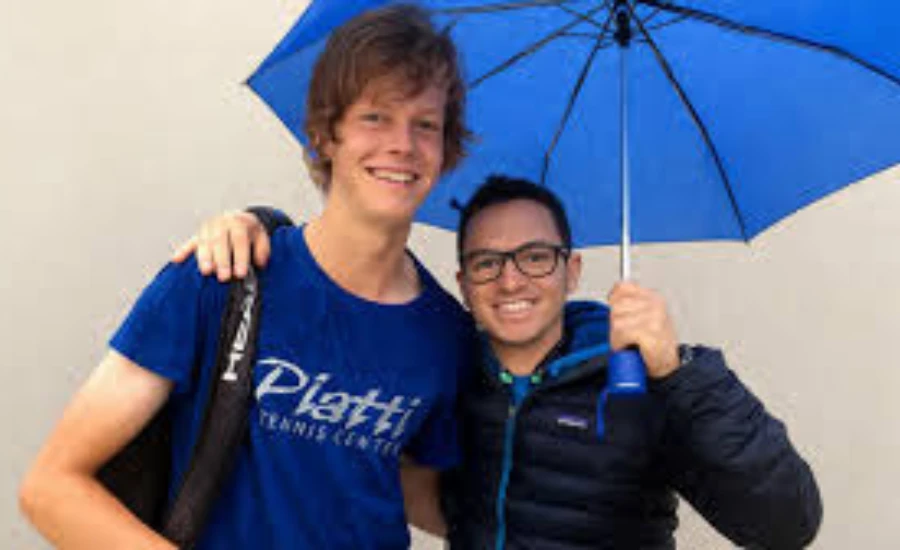
Marc Sinner, Jannik’s older adopted brother, remains completely out of public view. He was born in Russia in 1998 and adopted by Hanspeter and Siglinde as an infant or young child.
Marc does not appear at tournaments or in media coverage. He maintains total privacy about his life and career. Whether he lives in South Tyrol or elsewhere is unknown.
Jannik occasionally mentions his brother in interviews. He has acknowledged Marc’s presence at certain tournaments. But Marc never seeks camera time or public recognition.
This privacy reflects family values. Fame should not intrude on those who did not choose it. Marc lives his own life separate from tennis celebrity.
Maintaining Cultural Identity
Hanspeter raised his sons with strong South Tyrolean identity. Jannik speaks German, Italian, and English fluently. German is his mother tongue despite being Italian citizen.
The family maintains connections to local traditions. They still live in Sexten when not traveling. They participate in community life despite international attention.
Jannik represents this cultural blend. He competes for Italy but speaks German at home. He embodies both identities without conflict.
Hanspeter’s influence shows in Jannik’s demeanor. The younger Sinner displays humility unusual for elite athletes. He credits his upbringing and values taught by parents.
Father-Son Relationship Now
Hanspeter and Jannik maintain close relationship despite physical distance. They speak regularly by phone. They see each other when Jannik’s schedule permits.
Jannik has expressed desire to spend more time with family. He mentioned wanting to be like Carlos Alcaraz, whose family travels with him frequently. He feels he misses important family moments due to tennis demands.
In a 2026 interview, Jannik said: “When somebody is not there anymore, then you regret it. So hopefully I can have some more time with my parents and the people I love, and also with my brother and friends.”
This reflects awareness that career demands create distance from family. Hanspeter and Siglinde understand but would prefer more time together.
Impact on Jannik’s Success
Tennis analysts credit Hanspeter’s parenting approach for Jannik’s mental strength. The independence granted at age thirteen taught self-reliance. The emphasis on discipline created work ethic that separates elite athletes from good ones.
Jannik’s calm demeanor on court reflects values learned at home. He rarely shows anger or frustration. He maintains respect for opponents and officials. These behaviors trace directly to parental influence.
The decision to pursue tennis over skiing came from Hanspeter’s guidance. Skiing offered shorter career window and higher injury risk. Tennis provided longer competitive timeframe and different type of challenge.
This guidance proved correct. Jannik reached world number one by age twenty-two. He won multiple Grand Slam titles. He became wealthiest and most successful Italian tennis player in history.
Current Life in 2026
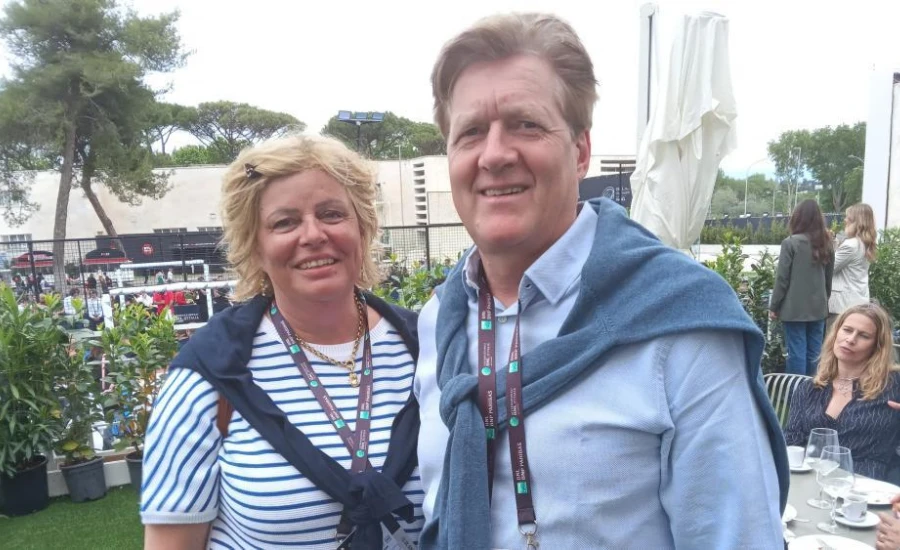
Hanspeter continues working as a chef in Val Pusteria. He has not retired despite his son’s wealth and success. Work provides purpose and maintains connection to community.
He travels to major tournaments when possible. He was present for some of Jannik’s biggest victories including Grand Slam wins. But he cannot attend everything due to work obligations.
His life remains centered in Sexten. The small Alpine town provides privacy impossible in larger cities. Local residents respect the family’s preference for normal life.
He has given no major interviews to international media. He avoids publicity completely. His entire public identity exists through his son’s achievements and occasional comments from Jannik about family.
Legacy Beyond Tennis
Hanspeter Sinner’s story matters beyond his son’s success. He represents parents who prioritize children’s development over convenience. Letting a thirteen-year-old leave home required tremendous courage.
His emphasis on values over achievement created an athlete who handles pressure exceptionally well. Jannik’s mental strength comes from foundation built by parents who taught resilience.
His continuation of regular work despite son’s wealth shows strong character. He did not quit his job to live off Jannik’s earnings. He maintained his own identity and purpose.
His South Tyrolean cultural preservation demonstrates that success need not erase roots. Jannik speaks German at home because Hanspeter maintained that connection.
You may also like Atoya Burleson
Frequently Asked Questions
1. Who is Hanspeter Sinner?
Hanspeter Sinner is a chef working in Val Pusteria, Italy, and the father of world number one tennis player Jannik Sinner.
2. How old is Hanspeter Sinner?
His exact age is unknown, but he was likely born in the 1960s, making him approximately in his 50s or 60s as of 2026.
3. Where does Hanspeter Sinner work?
He works as a chef at a restaurant/ski lodge in Val Pusteria in the South Tyrol region of northern Italy.
4. Who is Hanspeter Sinner’s wife?
His wife is Siglinde Sinner, who worked as a waitress at the same ski lodge where they met.
5. How many children does Hanspeter have?
He has two sons: Marc Sinner (adopted from Russia, born 1998) and Jannik Sinner (born August 16, 2001).
6. What language does Hanspeter Sinner speak?
He speaks German as his primary language, along with Italian, as he is from the German-speaking South Tyrol region of Italy.
7. Where does Hanspeter Sinner live?
He lives in Sexten (Sesto), a small town in South Tyrol in northern Italy.
8. Did Hanspeter Sinner support Jannik leaving home at 13?
Yes, Hanspeter and his wife allowed Jannik to move to Bordighera at age 13 to train at the Piatti Tennis Center, despite the difficulty of separation.
9. Does Hanspeter Sinner travel to Jannik’s matches?
He attends some major tournaments when possible, but his work commitments prevent him from traveling to all events. Jannik has jokingly mentioned his parents missing matches due to work.
10. What influenced Hanspeter’s parenting style?
His South Tyrolean cultural background emphasizing discipline, humility, hard work, and community values shaped how he raised his children.
11. Why did Hanspeter encourage tennis over skiing?
He recognized that tennis offered more opportunities for long-term success and that Jannik had exceptional talent in the sport, despite initially excelling as a junior skier.
12. Does Hanspeter Sinner give interviews?
No, he maintains complete privacy and avoids media attention despite his son’s global fame.