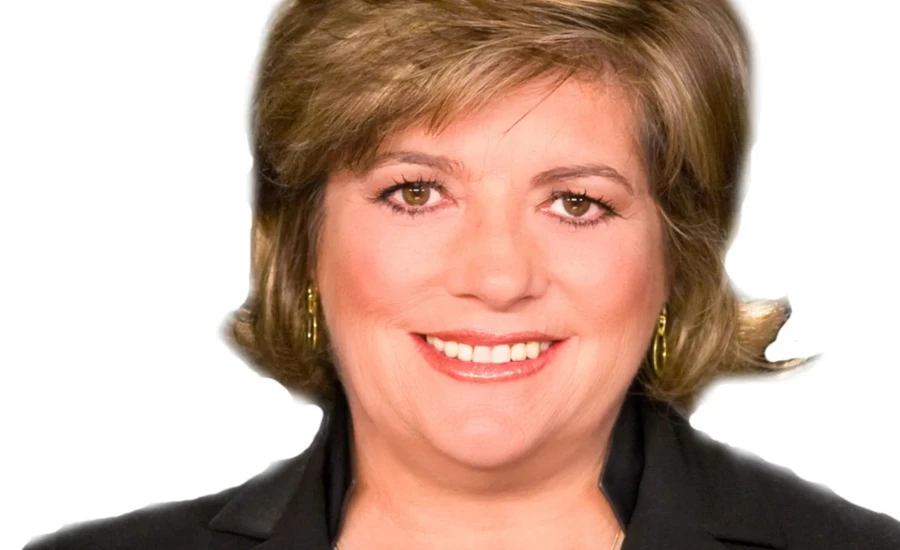
Lisa Myers, In 1999, she put a woman on national television who claimed Bill Clinton raped her. The White House called it lies. Most of the media looked the other way. Lisa Myers ran the interview anyway.
That one decision tells you more about her than any award she ever won.
She spent thirty-three years at NBC News breaking stories that triggered federal investigations, changed political careers, and made powerful people uncomfortable. Then she walked out in January 2014 — quietly, without drama — and most people barely noticed.
That’s how serious journalists tend to leave. Not with a bang. Just gone.
Quick Bio
| Detail | Info |
|---|---|
| Full Name | Lisa Myers |
| Born | Joplin, Missouri, USA |
| Birth Year | Not confirmed in any public source |
| Education | B.A. Journalism, University of Missouri, 1973 |
| Career Start | Chicago Sun-Times, Washington correspondent (1977–1979) |
| Second Job | The Washington Star, White House correspondent (1979–1981) |
| NBC Career | 1981–2014 (33 years) |
| Title at NBC | Senior Investigative Correspondent |
| Presidential Campaigns Covered | 9 confirmed |
| Current Location | Washington, D.C. (reported); also relocated to Florida post-retirement |
| Personal Life | No confirmed public information on marriage or children |
| Net Worth | Not reported in any source — unknown |
| Post-NBC Work | Keynote speaker, media consultant |
Joplin to Washington — A Career Built From Print
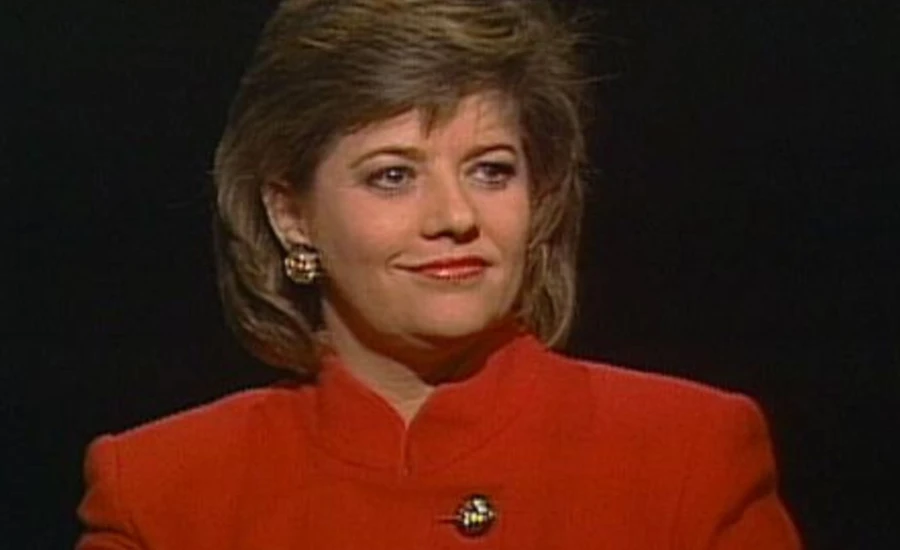
She started in print. Not TV. Not NBC. Print.
From 1977 to 1979, she covered Washington for the Chicago Sun-Times. Then she moved to The Washington Star as White House correspondent, covering the 1980 presidential campaigns of Ronald Reagan and Jimmy Carter.
The Washington Star shut down in 1981. That forced her hand. NBC News picked her up the same year.
She graduated from the University of Missouri’s journalism school in 1973 — one of the most respected journalism programs in the country. She was working in Washington within four years of that degree. No long detour. No wasted time.
That print background matters. Journalists who start in newspapers tend to ask harder questions. They’re trained to verify, not just broadcast. Myers brought that discipline into television — and it showed.
Thirty-Three Years at NBC — What She Actually Did
Most TV correspondents cover events. Myers investigated them.
She became NBC’s chief congressional correspondent first — building a reputation for sharp political analysis and difficult questions. Then she was tapped to lead NBC’s investigative unit. That’s the team that goes after stories nobody else wants to touch.
Her investigative unit broke or advanced stories across nearly every major news category:
Politics:
- Broke the story that Dick Cheney would be George W. Bush’s running mate in the 2000 election — before any other outlet
- Covered nine presidential campaigns total
- Was floor reporter at multiple Democratic and Republican conventions
- Led NBC’s “Truth Squad” coverage in 2000, praised by critics for fact-checking political claims in real time
National Security and Military:
- In 2007, her team exposed attempts by the U.S. Army to block a promising soldier-protection technology called “Trophy” — a system designed to stop rocket-propelled grenades from hitting vehicles
- Investigated whether the Army interfered with body armor testing
- Covered the war on terror and Iraq contracting problems extensively
Corporate Scandals:
- Broke major Enron stories, including an exclusive interview with Linda Lay — wife of Enron CEO Ken Lay — described as the biggest exclusive of that entire story
- Won the 2003 Joan Barone Award for Washington reporting specifically for the Enron coverage
Government Waste:
- Won a Business Emmy for exposing how corporations gave politicians access to private jets to gain political favor — a piece called “Congress’ Private Air Force”
- Her Hurricane Katrina reporting on government incompetence was part of NBC’s coverage that won Peabody and DuPont awards
Healthcare:
- In 2013, broke the story that the White House knew millions of Americans could not keep their insurance under the Affordable Care Act — even as President Obama repeatedly stated otherwise. That report created significant political pressure on the administration.
The Juanita Broaddrick Interview — The Story That Still Matters

In 1999, Lisa Myers conducted an exclusive interview with Juanita Broaddrick.
Broaddrick claimed that Bill Clinton, then the Governor of Arkansas, had raped her in 1978. She had not spoken publicly about it for two decades.
NBC held the interview for weeks before airing it. The Clinton White House denied everything. The timing — during Clinton’s Senate impeachment trial — added enormous political sensitivity to an already explosive story.
Myers ran it. The interview aired on Dateline NBC in February 1999.
This was not a small decision. Broaddrick’s claims were unverified by any court. Clinton denied them. The interview had no corroborating evidence beyond Broaddrick’s own account. Running it meant NBC and Myers would face intense criticism from one side if the claims were false — and intense criticism from the other side if the claims were true and the network had sat on the story.
The interview remains significant today. As sexual misconduct allegations against powerful men became a defining public conversation after 2017, the Broaddrick interview was revisited repeatedly. Myers was cited as the journalist who gave the story a platform when most others chose not to.
Whether running the interview was the right call is still debated. What is not debated: it took professional nerve to do it.
The Military Stories Nobody Celebrated Enough
Two of Myers’ most important investigations got far less attention than the political stories.
The Fort Campbell Murder (1999): She received an Emmy nomination for a series of reports revealing that the murder of an Army private at Fort Campbell, Kentucky, was an anti-gay hate crime — and that it was part of a broader pattern of harassment of gay service members in the military.
This was 1999. “Don’t Ask, Don’t Tell” was official military policy. Reporting on anti-gay violence inside the Army was not a popular story. She reported it anyway. The Emmy nomination came from her peers — people who understood exactly what it took to break that story at that moment.
The Trophy Technology Story (2007): Her team exposed that the U.S. Army appeared to be blocking a technology that could protect soldiers from rocket-propelled grenades — a weapon causing significant casualties in Iraq. If accurate, that meant American soldiers were dying from a threat that could have been reduced.
That story triggered official scrutiny. That’s what good investigative journalism is supposed to do.
The Awards — Real Ones, Not Participation Trophies
Myers won awards that required actual reporting, not just air time.
- Emmy Award — 2004, Business and Financial Reporting, for coverage of federal funds spent rebuilding Iraq
- Emmy Award — Business Emmy for “Congress’ Private Air Force”
- Edward R. Murrow Award — for 9/11 and terrorism coverage
- Joan Barone Award — 2003, for Washington reporting (Enron coverage)
- Gracie Allen Individual Achievement Award — 2005, Outstanding Correspondent
- Peabody Award (team) — part of NBC’s Hurricane Katrina coverage
- DuPont Award (team) — same Katrina coverage
- Emmy Nomination — 1999, for Fort Campbell anti-gay murder investigation
- Missouri Honor Medal — University of Missouri journalism school
The Murrow and Peabody are among the most respected awards in American journalism. Neither is given for merely showing up.
Why She Left — and What She Said About It
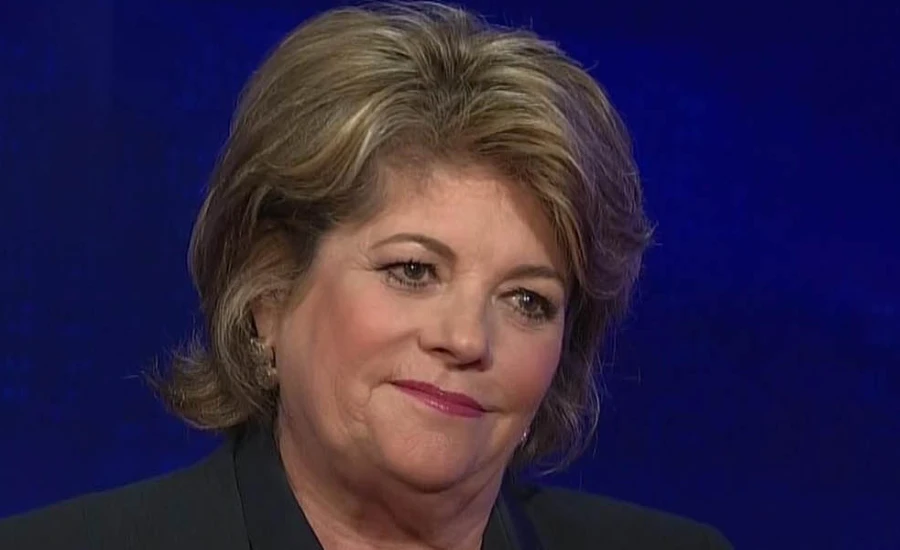
In January 2014, Lisa Myers left NBC News. She had been there thirty-three years.
NBC Washington bureau chief Ken Strickland announced her departure in an internal memo. The reason given: Myers chose not to renew her contract through the 2016 election cycle.
In a May 2014 C-SPAN interview, she was more specific. She said she needed a change after covering multiple presidential campaigns and years of daily investigative journalism. She planned to relocate to Florida temporarily, play golf, give speeches, and think about what came next.
She described wanting “something entirely fresh” but didn’t commit to a specific next chapter publicly.
What she didn’t say: that she was pushed out. That she had conflicts with management. That anything went wrong. Her departure had none of the messiness that ends some long careers at major networks.
She just decided thirty-three years was enough. At a major network, that kind of clean exit is rarer than it sounds.
What the Record Doesn’t Show
For a journalist who spent thirty-three years in front of cameras and breaking major stories, the personal record is almost completely empty.
No confirmed information exists about whether she married. Whether she has children. What her family background looks like beyond being born in Joplin, Missouri. Her birth year is not confirmed in any public source — speakers bureau profiles list professional credentials but no birth date.
No net worth figure appears in any source. Unlike most public figures with long careers, the biographical sites haven’t invented one for her either. That itself is unusual.
She lives in Washington, D.C. — that much is confirmed. Post-retirement she also spent time in Florida. Beyond that, she keeps her personal life out of the record.
For an investigative journalist, that’s almost fitting. She spent thirty-three years getting other people to reveal things they didn’t want to reveal. She apparently kept her own information just as guarded.
Where She Stands in American Journalism
Thirty-three years. Nine presidential campaigns. One news network. Multiple Emmys. A Murrow. A Peabody. Stories that changed laws, triggered investigations, and gave voice to people the powerful wanted silenced.
That résumé belongs in any serious conversation about the best American political journalists of the late twentieth and early twenty-first centuries.
She didn’t anchor. She didn’t become a host. She didn’t build a personal brand. She investigated.
In a media world increasingly rewarding personality over reporting, Lisa Myers spent thirty-three years doing the opposite — and has nothing to apologize for.
She appears occasionally in documentary productions about events she covered. She appeared in The Clinton Affair (2018), a documentary series, as herself reflecting on Clinton-era journalism.
She gives speeches. She consults. She stays largely out of daily media conversation.
That’s the choice she made. The record she built before making it is hard to argue with.
You may also like Audrey Murdick
FAQ
1. Who is Lisa Myers?
She is a retired American investigative journalist who served as Senior Investigative Correspondent for NBC News from 1981 to January 2014 — a thirty-three-year career. She is known for breaking major political, military, and corporate stories and won multiple Emmy Awards, a Murrow Award, and shared in Peabody and DuPont awards during her career.
2. Where was Lisa Myers born?
Joplin, Missouri, USA. Her birth year is not confirmed in any public source. She graduated from the University of Missouri’s journalism school in 1973.
3. Where did Lisa Myers work before NBC?
She was a Washington correspondent for the Chicago Sun-Times from 1977 to 1979. Then she became White House correspondent for The Washington Star from 1979 to 1981, covering the presidential campaigns of Ronald Reagan and Jimmy Carter. The Washington Star shut down in 1981, after which NBC hired her.
4. How long was Lisa Myers at NBC News?
Thirty-three years — from 1981 to January 2014. She left voluntarily when her contract expired, choosing not to renew through the 2016 election cycle.
5. What is the Juanita Broaddrick interview?
In 1999, Myers conducted an exclusive interview with Juanita Broaddrick, who claimed Bill Clinton had raped her in 1978. The interview aired on Dateline NBC in February 1999 after NBC held it for several weeks. The Clinton White House denied the claims. The interview remains one of the most significant and debated pieces of political journalism from the Clinton era. No court has verified Broaddrick’s claims; Clinton denied them.
6. What did Lisa Myers break about the Affordable Care Act?
In 2013, she reported that the White House had internal knowledge that millions of Americans would not be able to keep their existing health insurance plans under the new healthcare law — even as President Obama repeatedly stated publicly that people could keep their insurance. The report created significant political and media pressure on the administration.
7. What was the Dick Cheney scoop?
In the 2000 presidential election, Myers broke the story that George W. Bush had selected Dick Cheney as his running mate — before any other media outlet reported it.
8. What was the Fort Campbell investigation?
In 1999, Myers reported that the murder of a gay Army private at Fort Campbell, Kentucky, was an anti-gay hate crime and part of a broader pattern of harassment of gay soldiers in the military. The series received an Emmy nomination. It was reported at a time when “Don’t Ask, Don’t Tell” was official military policy.
9. What was the Trophy technology story?
In 2007, Myers and her investigative team exposed evidence that the U.S. Army was blocking a technology called “Trophy” — designed to protect soldiers from rocket-propelled grenades in Iraq. If accurate, it meant soldiers were dying from a preventable threat. The report triggered official scrutiny of Army procurement decisions.
10. What awards did Lisa Myers win?
Two Emmy Awards (2004 Business Emmy for Iraq reconstruction reporting; Business Emmy for “Congress’ Private Air Force”), an Edward R. Murrow Award, the 2003 Joan Barone Award for Washington reporting, a 2005 Gracie Allen Achievement Award, a Peabody Award (team, Hurricane Katrina), a DuPont Award (team, Hurricane Katrina), and the University of Missouri Honor Medal for Journalistic Excellence.
11. Why did Lisa Myers leave NBC?
She chose not to renew her contract through the 2016 election cycle. In a 2014 C-SPAN interview, she described wanting a change after thirty-three years and multiple presidential campaigns, and mentioned plans to relocate to Florida temporarily, play golf, deliver speeches, and consider new directions. No public conflict with NBC management has been reported.
12. Is Lisa Myers married? Does she have children?
No confirmed public information exists on either question. Her personal life is not documented in any verified source. This is one of the most notable gaps in her public record, given the length and prominence of her career.
13. What has Lisa Myers done since leaving NBC? She has worked as a keynote speaker on topics including Washington politics, media ethics, investigative journalism, and national security. She appeared as herself in The Clinton Affair (2018), a documentary series about the Clinton presidency. She has described interest in “something entirely fresh” beyond daily journalism but has not launched a major public project.
14. How many presidential campaigns did Lisa Myers cover? Nine. Sources vary slightly — some earlier bios say seven, later and more comprehensive bios say nine. The nine-campaign figure is the most recent and presumably most accurate. She covered campaigns including those of George H.W. Bush, Walter Mondale, Ross Perot (praised for her coverage), and the 2000 Bush-Gore race.
15. Is Lisa Myers related to any other public figure named Myers or related to the political consultant Lisa Myers? No confirmed connection to any other public figure named Lisa Myers. There are multiple public figures with that name. This article covers Lisa Myers the NBC journalist — born in Joplin, Missouri, graduated University of Missouri 1973, NBC correspondent 1981–2014.