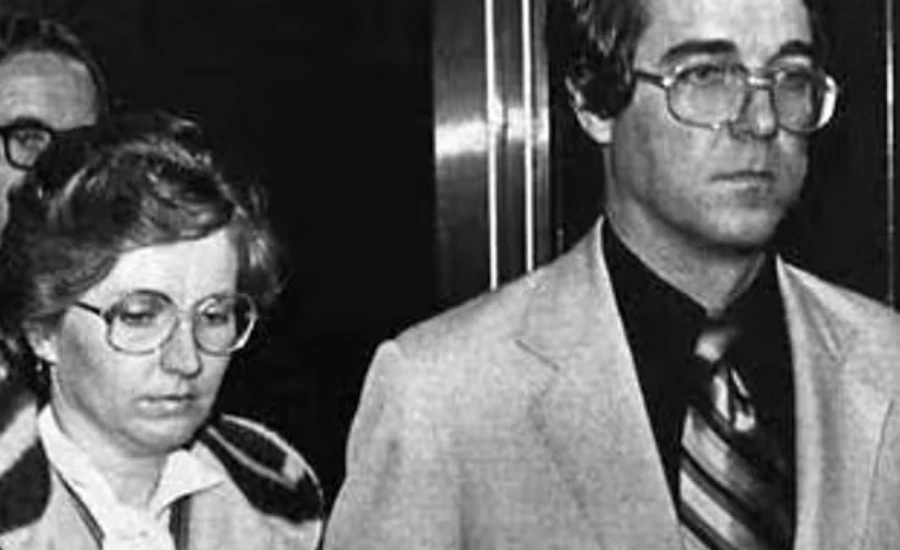
Don Crowder, A football player turned lawyer. No criminal law experience. Takes on a woman accused of murdering her friend with a 3-foot axe. Uses unconventional tactics. Hypnosis. Expert testimony. Wins. Becomes famous. Then the town that hated him for winning destroys him. Gets arrested for DWI. Can’t overcome the shame. Takes his own life. Don Crowder is the story of a brilliant legal mind destroyed by a community’s judgment—and his own inability to forgive himself.
DON CROWDER: BASIC FACTS
| Detail | Information |
|---|---|
| Full Name | Don Crowder |
| Born | 1930s-1940s (exact date unknown) |
| Died | March 1999 (suicide by gunshot) |
| Age at Death | Approximately 50s-60s |
| Profession | Criminal defense attorney |
| First Criminal Case | Candy Montgomery murder trial (1980) |
| Case Type | Murder by 3-foot axe |
| Trial Verdict | Not guilty (acquittal) |
| Legal Strategy | Hypnosis, expert testimony, self-defense argument |
| Contempt of Court | 4-day jail sentence for courtroom behavior |
| Post-Trial Career | City attorney for Allen, Texas (22 years) |
| Political Run | Texas Governor candidate (1986, 118,530 votes, 11%) |
| Cause of Death | Suicide by gunshot |
| Circumstances | Depression, alcoholism, DWI arrest, shame over conviction |
| Legacy | Portrayed in HBO/Max series “Love & Death” |
| Portrayed By | Tom Pelphrey (Love & Death), Raúl Esparza (earlier references) |
The Football Player Who Became A Lawyer
Don Crowder wasn’t born to be a criminal defense attorney. He was a football player. An athlete. Someone built for physical competition.
But life has different plans. Crowder went to law school. Got his license. Opened a practice in Collin County, Texas.
For years, he practiced law without criminal specialization. Real estate. Contracts. Civil matters. The bread and butter work that keeps a law practice stable.
Then in 1980, something happened that would change his life forever.
The Woman Accused Of Murder
Candy Montgomery was accused of murdering Betty Gore with a 3-foot axe.
Thirty-one times. Candy had swung that axe at her friend thirty-one times.
The case was sensational. A small Texas town. A community in shock. Everyone wanted justice for Betty Gore.
And everyone wanted to see Candy Montgomery hang.
The community had already decided. Candy was guilty. She should get life in prison. Or the death penalty.
Nobody wanted to defend her. It was career suicide in a small town. The community would hate you forever.
But Don Crowder took the case anyway.
The Audacious Defense That Shocked Everyone
Don Crowder had no criminal law experience. This was his first murder trial.
But he was audacious. Bold. Willing to try things nobody else would attempt.
He used hypnosis. He brought in expert witnesses. He argued self-defense.
The prosecution had physical evidence. Candy’s fingerprints. Witnesses. A confession of sorts.
But Crowder created reasonable doubt. He made the jury question what really happened. He argued that Candy had feared for her life. That the attack was defensive, not malicious.
In three hours of deliberation, a nine-woman, three-man jury returned a verdict: Not guilty.
Candy Montgomery was acquitted.
The courtroom erupted. The town erupted. Don Crowder had won the impossible.
The Price Of Victory
But winning came with a cost that Don Crowder couldn’t have predicted.
The community hated him. They believed he had gotten a murderer off. They believed justice hadn’t been served.
In a small Texas town, this mattered. This was personal. Don Crowder had defended the woman they all wanted convicted.
He even received a contempt of court citation for his behavior during the trial. Spent four days in jail. The joke around the courthouse: “Who’s going to get more time, Candy or Crowder?”
But Candy got acquitted and walked free. Crowder remained in the community that despised him.
The Rise After The Trial
Despite the hatred, Don Crowder’s career continued. The trial made him visible. Renowned. People knew his name.
He became city attorney for the town of Allen, Texas. A position he held for 22 years.
In 1986, he ran for Governor of Texas. He didn’t win, but he received 118,530 votes—more than 11% of the total. A respectable showing for someone without statewide recognition.
Don Crowder had built a successful career after the trial. He had become important. Established. Accomplished.
But the shame never left. The community’s judgment never faded.
The Descent Into Darkness
Sometime in the 1990s, Don Crowder began to struggle.
Depression set in. The weight of the community’s hatred finally crushed him.
He started drinking. Alcohol became a way to numb the pain. To escape the judgment. To forget the town’s disdain.
His wife Sheri worried. She could see him changing. Getting worse. The drinking escalated. The depression deepened.
Then came the DWI arrest. A prominent lawyer. City attorney for 22 years. Arrested for driving under the influence.
In a small town, this was the final humiliation. The validation of everyone who had judged him. The proof they needed that defending Candy Montgomery had ruined him.
Don Crowder couldn’t overcome it. Couldn’t forgive himself. Couldn’t escape the shame.
The End
One night in March 1999, Don Crowder got out of bed unable to sleep.
His wife Sheri lay awake, worried about him. She wondered what he was doing. She worried about his depression. His drinking. His recent arrest.
Hours later, Don Crowder was found dead. Suicide by gunshot.
The audacious lawyer who had won the impossible trial couldn’t survive the judgment that followed.
The man who had saved Candy Montgomery’s life couldn’t save his own.
Legacy Through Fiction
Decades later, Don Crowder’s story was told through television.
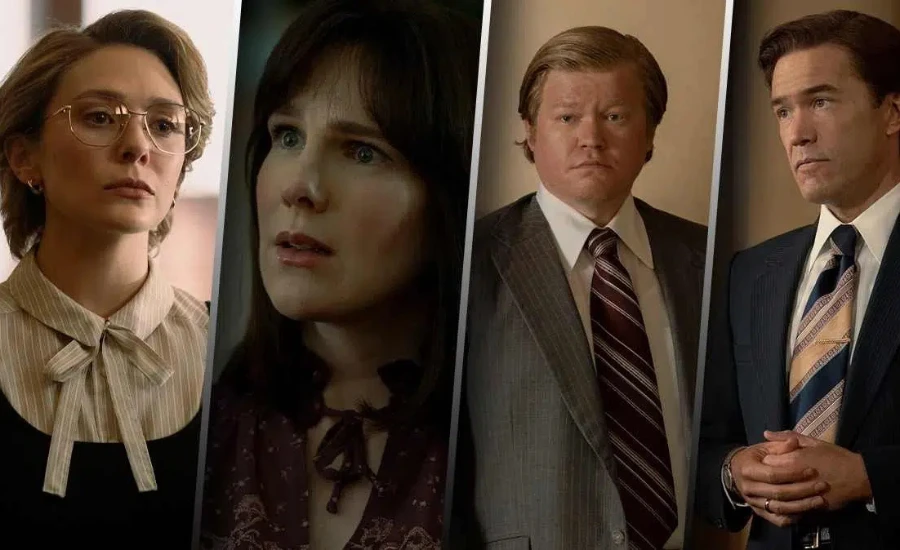
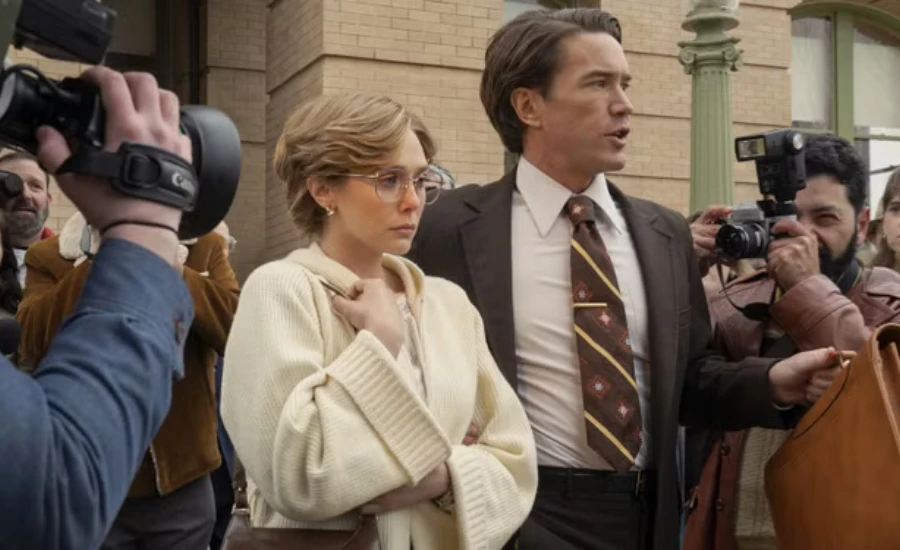
In HBO/Max’s “Love & Death,” the attorney was portrayed by Tom Pelphrey (and Raúl Esparza in earlier references).
Actors studied him. Tried to capture his essence. His bravado. His audacity. His intelligence.
But they also captured his tragedy. The weight of defending the indefensible. The cost of winning when winning makes you a pariah.
Don Crowder became a character study. A cautionary tale about the price of defending unpopular clients.
You may also like Jami Gertz Net Worth
Frequently Asked Questions
Q: Who was Don Crowder?
A: Don Crowder was a criminal defense attorney from Collin County, Texas, best known for successfully defending Candy Montgomery in a 1980 murder trial. He later served as city attorney for Allen, Texas, for 22 years.
Q: What was Don Crowder’s most famous case?
A: Don Crowder’s most famous case was defending Candy Montgomery, who was accused of murdering her friend Betty Gore with a 3-foot axe. He secured an acquittal despite the community’s overwhelming belief in her guilt.
Q: Did Candy Montgomery kill Betty Gore?
A: Candy Montgomery admitted to the axe attack but claimed it was in self-defense. Don Crowder successfully argued self-defense to a jury, resulting in her acquittal.
Q: How did Don Crowder’s trial tactics work?
A: Don Crowder used unconventional strategies including hypnosis and expert witness testimony to create reasonable doubt about Candy Montgomery’s intent.
Q: Did Don Crowder face consequences for defending Candy Montgomery?
A: Yes. He received a four-day contempt of court sentence during the trial and faced significant community backlash for winning the case.
Q: What happened to Don Crowder after the trial?
A: Don Crowder became city attorney for Allen, Texas, a position he held for 22 years. He ran for Governor of Texas in 1986, receiving 118,530 votes.
Q: How did Don Crowder die?
A: Don Crowder died by suicide in March 1999. He had been struggling with depression and alcoholism and had recently been arrested for DWI.
Q: Why was Don Crowder portrayed in “Love & Death”?
A: Don Crowder was a central figure in the Candy Montgomery case, which was dramatized in the HBO/Max miniseries “Love & Death.”
Q: Was Don Crowder experienced in criminal law?
A: No. The Candy Montgomery murder trial was Don Crowder’s first criminal case. He had primarily practiced civil law before taking on this sensational trial.
Q: What was the jury’s deliberation time in Don Crowder’s case?
A: The jury deliberated for three hours before returning a not guilty verdict for Candy Montgomery.