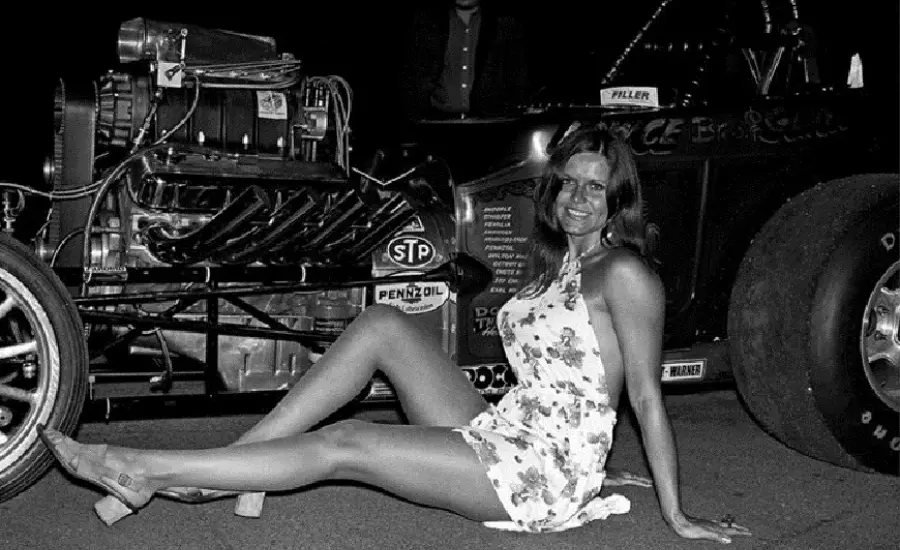
Barbara Roufs out onto a sunbaked California racetrack in the late 1960s, and nobody forgot her. Long hair flowing behind her. Confidence written all over her face. Go-go boots clicking on the asphalt. That was Barbara Roufs — the woman who became the soul of American drag racing during one of its wildest, loudest, most exciting eras.
Her story is not just about beauty or fame. It is about a woman who carved a space for herself in a world built for men. It is about a daughter, a mother, a girl from California who grew up smelling engine oil and never forgot where she came from. And yes, it is also a story that ends too soon — and too painfully.
Early Life: Growing Up in California’s Car Country
Barbara Roufs was born in 1944 in Clovis, California. Clovis sits just outside Fresno in California’s Central Valley. It is a warm, community-minded town — and in the 1940s and 1950s, it was buzzing with an early love for cars, speed, and motorsports.
She could not have picked a better place to be born if she had tried.
Her father, Wayne Eldon Riley, was not your average dad who sat on the sofa on weekends. He rode motorcycles competitively, raced at the Kearney Bowl, and owned a houseboat on McClure Lake where the family vacationed every year. He loved fishing just as much as he loved speed. From a very young age, Barbara watched her father chase thrills and push limits. That energy never left her.
Her mother, Thelma Ruby Riles, was a different kind of force altogether. She ran a beauty salon in Clovis for 50 years. She also played the organ at multiple local churches — the Church of the Nazarene, Calvary Bible, Baptist Valley Bible, and Grace Baptist Church. Thelma was hardworking, artistic, and deeply rooted in her community.
Between a dad who raced and a mom who ran her own business, Barbara grew up understanding two things: that passion matters, and that hard work pays off.
Barbara had three biological siblings — Vivian Deaton, James Riles, and Bruce Riley — and one adopted brother, Ben Gube. The home was full and lively. There was always someone around, always noise, always love.
Her parents were so respected in their town that they became the first couple ever inducted into the Clovis Hall of Fame. That is the kind of family Barbara came from.
The Family That Shaped Her
Thelma’s beauty salon was more than just a business. It was proof that women could build something of their own. For Barbara, watching her mother stand behind that chair day after day — serving her community, running her own hours, answering to no one — was a quiet but powerful lesson.
Wayne’s love for racing planted a different kind of seed. He did not just watch cars go fast. He was in it. He felt it in his bones. And so did Barbara.
Neither parent pushed her into the spotlight. But both of them handed her the tools she would need when she got there.
Thelma passed away in 2005, more than a decade after Barbara’s death. She outlived her daughter, which is a grief no parent should carry.
Education and the Path to Drag Racing
Details about Barbara’s schooling are sparse. What is known is that she grew up in California, completed her studies, and felt a strong pull toward the drag racing world she had grown up watching.
She could have become a racing driver. She had the fire for it. But instead, she chose the role of trophy girl — and she turned that role into something far bigger than anyone expected.
It was a choice. A conscious, confident choice. And it changed everything.
Entering the Drag Racing World
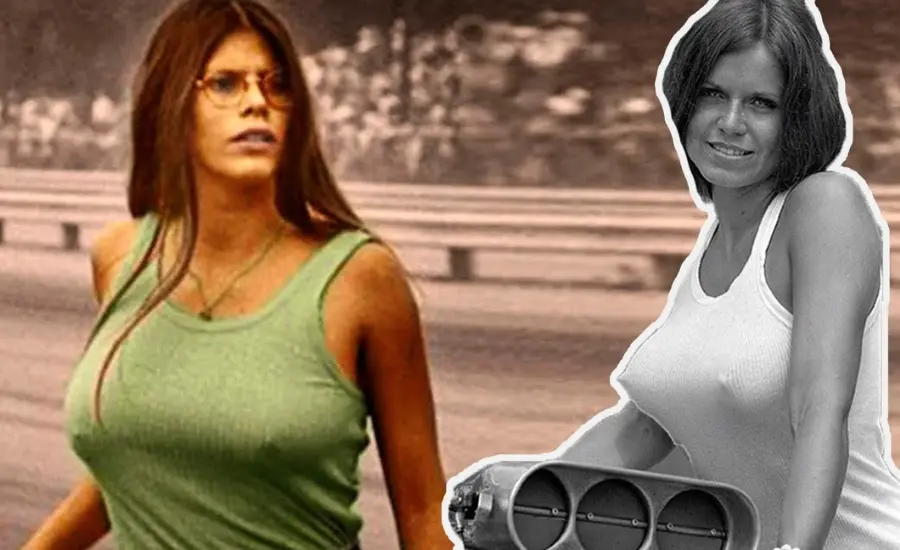
By the late 1960s, Barbara had stepped into one of the most exciting scenes in American sports. Drag racing was transforming. The old cars of the 1950s were being replaced by powerful new machines. Fuelers — dragsters powered by nitromethane — were roaring onto the strips. The crowds were getting bigger. The stakes were getting higher.
And the look of drag racing was changing too.
Trophy girls in earlier decades wore elaborate costumes with feathers and big hats. By the late 1960s and into the 1970s, that had shifted completely. The new style was bold and free — long hair, short shorts, bare midriffs, halter tops. It matched the rebellious spirit of the whole decade.
Barbara fit right in. Actually, she led the way.
She was tall, slender, and effortlessly stylish. Her long, straight brown hair fell down her back. She wore 1960s-style go-go boots that became practically her trademark. She paired them with freedom tanks and bright outfits that photographers could not resist. Her smile lit up every photo.
What set her apart from the other trophy girls, though, was not just her looks. It was her age. She entered the drag racing scene at around 29 years old — older than most of the other trophy girls at the time. Instead of making her less interesting, that maturity made her magnetic. She had a confidence and calm that younger girls simply had not had the time to develop yet.
Racers noticed. Fans noticed. Photographers definitely noticed.
Career Highlights: The Titles That Made Her a Legend
Barbara quickly became a regular and beloved face at the Orange County International Raceway (OCIR) — the heartbeat of Southern California drag racing at the time.
In 1970, she was crowned Queen of the 6th Annual U.S. Professional Dragster Championship at OCIR. It was a big deal. This was not a local beauty contest. This was one of the most watched drag racing events in America, and she was the face of it.
Then in 1973, she earned the most prestigious title of her career — Queen of the Professional Dragster Association (PDA). The PDA was the body that governed professional drag racing in California. Being named its queen was, in every sense, the top of the mountain.
Her job as a trophy girl involved more than just handing over hardware to winning drivers. She greeted fans and worked the crowd. She represented the event’s sponsors. She stood for the whole spirit of the sport. And she did it all with a natural warmth that felt completely real because it was.
Racers genuinely loved her. Not just for her looks — for her energy. She was loud in all the right ways: enthusiastic, encouraging, kind. She made winners feel like kings. She made fans feel like family.
Her face began appearing in branded merchandise, magazine ads, and promotional materials for companies that wanted to reach drag racing fans. She was a marketer’s dream — a real personality with real appeal, not a manufactured image. Some sources note she may have appeared in film promotions connected to the 1970s racing scene, including the era’s famous drag racing films.
The Photographer Who Preserved Her Legacy: Tom West
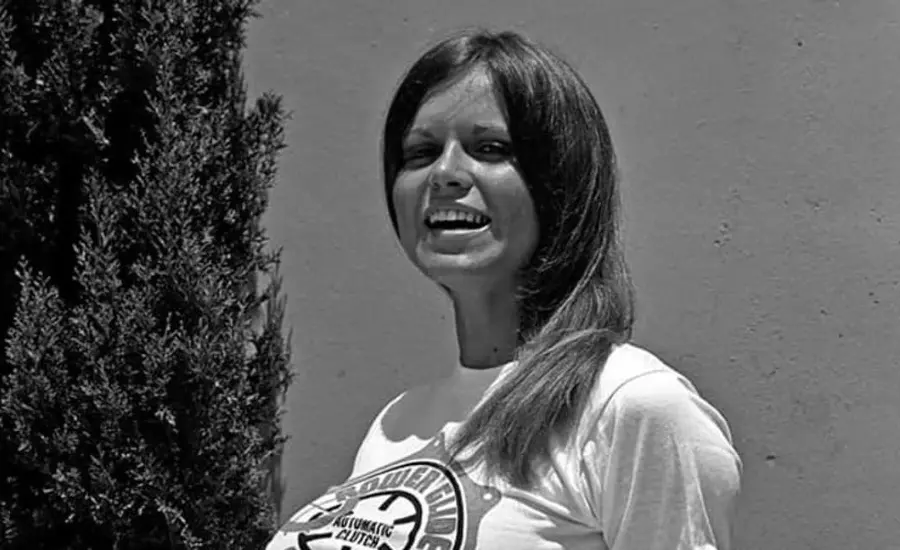
The visual record of Barbara Roufs exists today largely because of one man — Tom West, a celebrated photographer who spent years documenting the drag racing scene.
West had an eye for the people behind the sport, not just the machines. He photographed Barbara throughout her peak years in the early 1970s, capturing images that have since become collector’s items. Her confidence jumps off every frame. Her joy is unmistakable.
In 2016, West shared a collection of these old photographs online. The response was enormous. People who remembered her, and a whole new generation who had never heard of her, were captivated all over again.
The images were beautiful. But what happened in the comment section of that post made them even more meaningful.
A Daughter’s Tribute
When Tom West shared those photos in 2016, Barbara’s daughter — Jet Dougherty — came forward online and wrote a heartfelt tribute to her mother.
Jet said her mother was well-known and deeply loved. She said she was surprised to see the photos surface on the internet after all those years. But she also said, with warmth, that Barbara would have been proud to see them. Because those photos captured her happiest days. The racetrack was where Barbara felt most alive.
Barbara’s granddaughter, Crystal Dougherty, also responded online. Crystal noted how striking the resemblance between herself and her grandmother was.
It was a quiet, moving moment. A woman gone for 25 years, suddenly visible again — not as a mystery or a tragedy, but as someone loved, remembered, and proud of what she had done.
Personal Life: Marriage, Family, and Privacy
Barbara kept her private life closely guarded. She was married, though her husband’s identity was never made public. His last name appears to have been Dougherty, based on their daughter’s surname.
When Barbara was 29, she became a mother. Her daughter, Jet Dougherty, was the center of her world. Despite the noise and glamour of the racetrack, Barbara raised Jet in a quiet, grounded way. She protected her child from the spotlight. She valued normal family life.
Before her death, Barbara lived with her family in Fresno, California — not far from where she had grown up. She was home. She was near the people she loved.
Friends who knew her described her as kind, warm, and family-oriented. She was funny. She was genuine. The smile in those photographs was not a pose — it was her.
Physical Appearance and Personal Style
Barbara stood at 5 feet 5 inches tall and weighed approximately 55 kilograms. She had long brown hair, brown eyes, and a slim, confident build.
Her style in the 1970s was pure California cool. She wore short shorts and halter tops. Her go-go boots were always present — a nod to the 1960s fashion she loved. Her look was bold but never trying too hard.
She carried herself with ease. That is the hardest thing to fake — and Barbara never had to.
Personality, Hobbies, and What Made Her Tick
Everyone who knew Barbara described the same things: warmth, laughter, and genuine enthusiasm.
She was not the type to stand stiffly in a corner waiting for her moment. She engaged. She talked to fans. She remembered faces. She brought energy into every room she entered.
She loved California living — the sunshine, the open roads, the racing culture she had grown up inside. She likely inherited her father’s love for the outdoors and her mother’s strong community spirit.
Away from the track, she focused on being a mother. That was not a small thing to Barbara. It was everything.
Net Worth and How She Earned It
Barbara’s estimated net worth at the time of her passing was approximately $1.5 million. For a trophy girl and promotional model working in the 1970s, that was significant.
Her income came from several sources. She was paid for her appearances at racing events. She worked as a promotional model for brands targeting drag racing fans. Her image appeared on branded merchandise, in magazine advertisements, and in race-related promotional materials.
She was, in business terms, a brand herself. Her face moved product. Her name drew crowds. Companies understood her value even if the sport has not always given her full credit for it since.
Her original photographs — especially those taken by Tom West — are now sold online and collected by drag racing enthusiasts around the world. In that way, her image continues to generate interest and economic value long after her death.
Legacy and Impact on Women in Motorsports
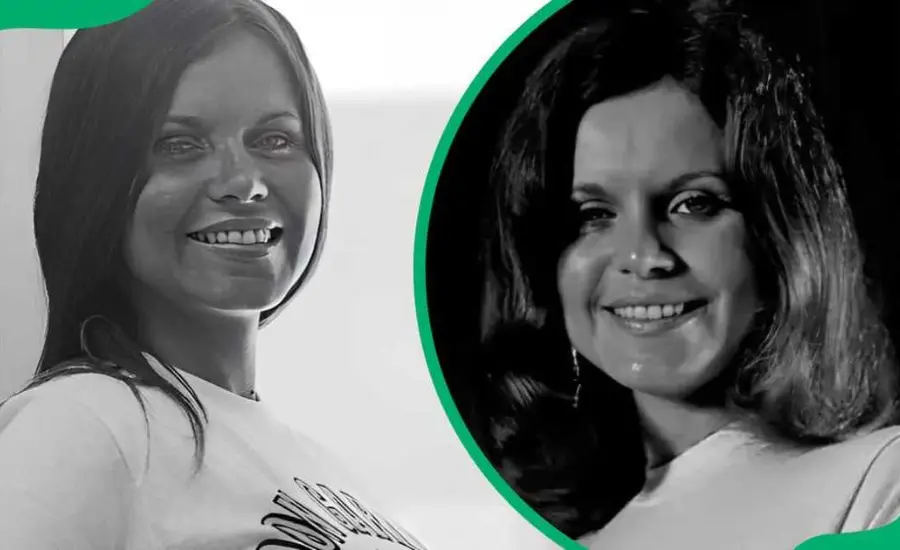
Barbara Roufs did not drive a car down the quarter-mile. But she changed the landscape of drag racing just as surely as any driver did.
She showed up at a time when women in motorsports were either invisible or purely decorative. She made the trophy girl role something more. She brought personality, professionalism, and presence to a position that had often been treated as an afterthought.
She also challenged the idea that only young women could hold these roles. At 29, she outshone women ten years younger. She proved that confidence and charisma age better than youth alone.
Her influence on how women were seen in the sport was real. Photographers wanted to document her. Companies wanted her face. Fans came to see her. She opened a door — and women who came after her walked through it.
Historians of drag racing now place her alongside figures like Jungle Pam Hardy as one of the defining female personalities of the sport’s golden era. She represents something beyond just one woman’s career — she represents a moment when drag racing started to understand that its story included women too.
Controversies and Misconceptions
One misconception that has circulated online is that Barbara posed nude for major magazines like Playboy. There is no verified evidence that she ever did. Some vintage promotional photos taken by Tom West are occasionally mislabeled online, but these were artistic, era-appropriate images. They were not explicit.
Barbara was a model and promotional figure. She worked within the norms of her industry. Reducing her legacy to rumor or speculation does a disservice to everything she actually accomplished.
The Tragic End: January 1991
Barbara Roufs died in January 1991. She was 47 years old. She was living with her family in Fresno at the time.
The cause of death was suicide. The reasons behind her decision were never publicly disclosed, and her family has kept that part of her story private. It is a privacy that deserves to be respected.
What is known is that her passing shocked the drag racing community deeply. The woman in those photographs — full of light, full of laughter — seemed to belong to a different world than the one that took her.
The truth is, of course, that what we see in photographs is only part of someone’s story. Barbara carried a private life alongside her public one. Whatever pain she faced, she carried much of it alone.
Her death is a reminder. Behind every bright smile, behind every confident pose, there is a human being with struggles the camera never catches.
How She Is Remembered Today
Decades after her death, Barbara Roufs is more visible than ever. Her photos circulate widely on social media, drag racing forums, and vintage motorsports sites. New fans discover her every year — young people who never watched a 1970s drag race but find themselves moved by her energy in a photograph.
Her daughter Jet and granddaughter Crystal have both spoken publicly about her legacy. They are proud. And they should be.
Fan communities have created digital tributes, shared stories, and collected her memorabilia. In the quiet corners of internet forums dedicated to the golden age of drag racing, her name comes up again and again. The consensus is always the same: she was special. She was real. She mattered.
FAQ: Barbara Roufs
Who was Barbara Roufs? Barbara Roufs was an American drag racing trophy girl and promotional model who became famous in the late 1960s and early 1970s. She was known for her striking looks, confident style, and warm personality at racing events across Southern California.
When and where was Barbara Roufs born? She was born in 1944 in Clovis, California, USA.
What was Barbara Roufs famous for? She was famous for being the Queen of the 6th Annual U.S. Professional Dragster Championship in 1970 and the Professional Dragster Association (PDA) Queen in 1973. She was one of the most photographed and admired trophy girls in drag racing history.
Did Barbara Roufs have children? Yes. She had one daughter, Jet Dougherty, whom she welcomed at age 29. She also had at least one granddaughter, Crystal Dougherty.
Who was Barbara Roufs’ husband? Her husband’s identity was never publicly disclosed. His last name appears to have been Dougherty, based on their daughter’s surname.
How did Barbara Roufs die? Barbara Roufs died by suicide in January 1991 at the age of 47. She was living in Fresno, California at the time. The reasons behind her death were never publicly disclosed by her family.
Who were Barbara Roufs’ parents? Her father was Wayne Eldon Riley, a motorcycle racer and fishing enthusiast. Her mother was Thelma Ruby Riles, who ran a beauty salon in Clovis for 50 years and played organ at several local churches. Both parents were inducted into the Clovis Hall of Fame.
Who was Barbara Roufs’ photographer? The photographer most closely associated with her work was Tom West, who documented the drag racing scene in the early 1970s. In 2016, West shared his photos of Barbara online, which reignited public interest in her life and legacy.
What was Barbara Roufs’ net worth? Her estimated net worth at the time of her death was approximately $1.5 million, earned through her career as a trophy girl, promotional model, and brand ambassador for motorsport-related companies.
Did Barbara Roufs pose nude for any magazine? There is no verified evidence that she ever did. Some vintage promotional photos are mislabeled online, but these were standard era-appropriate modeling images, not explicit content.
Where did Barbara Roufs live? She grew up in Clovis, California. Later in life, she lived with her family in Fresno, California, where she remained until her death in 1991.
Why is Barbara Roufs still popular today? She represents a defining era in American drag racing. Her photographs capture a spirit — bold, free, joyful, and uniquely Californian — that still resonates with racing fans and cultural historians decades later. Her daughter’s public tribute in 2016 also reintroduced her story to a new generation.
Conclusion
Barbara Roufs lived in the gap between two worlds — the roaring racetrack and the quiet home. She was all confidence in the spotlight, and all gentleness behind closed doors. She left a mark on a sport that was just figuring out what it wanted to be. And she left a daughter and granddaughter who remember her with love.
Her story is worth knowing. Not just because she was beautiful — but because she was real.
You may also like Elease Johnson