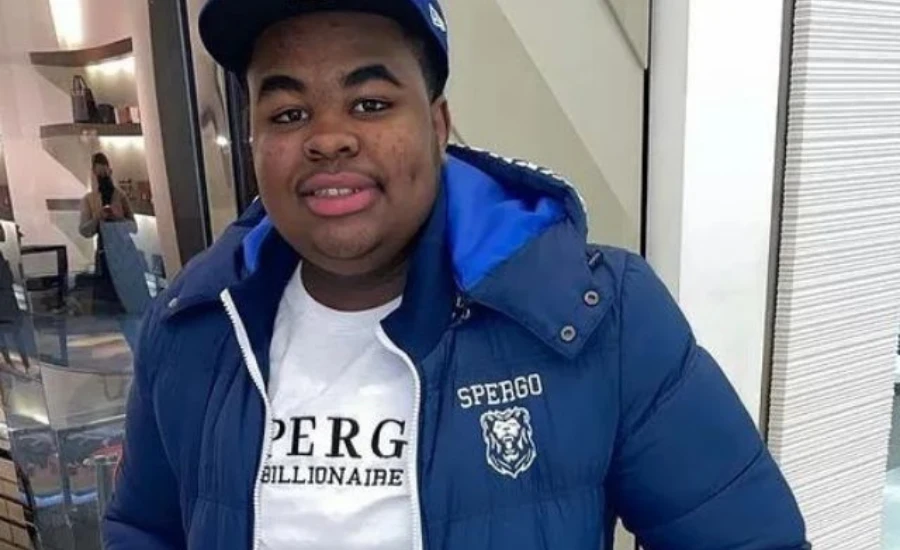
Spergo Net Worth, A kid from Philadelphia. Twelve years old. One hundred seventy-eight dollars in birthday cash. He bought blank t-shirts. Drew designs on them. Sold sixteen shirts in one week. Made two hundred eighty dollars. Reinvested everything. Started a clothing company called Spergo. Now it’s worth millions. The brand dresses celebrities. Got investment from a billionaire. But the real story isn’t the money—it’s what happened when success came too fast to a teenager who should’ve been in school.
SPERGO NET WORTH: THE FACTS
| Detail | Information |
|---|---|
| Brand Name | Spergo (streetwear/clothing) |
| Founder/CEO | Trey Brown |
| Founded | January 15, 2018 (MLK Day) |
| Headquarters | Philadelphia, Pennsylvania |
| Current Net Worth (2026) | $3.5 million (reported) |
| Previous Valuation (2025) | $2.27 million |
| 2024 Valuation | $2 million |
| 2021 Valuation | $1.5 million (Shark Tank deal) |
| Founder’s Age at Start | 12 years old |
| Founder’s Current Age | 19-20 years old (as of 2026) |
| Initial Investment | $178 (birthday money) |
| First Product | 16 customized t-shirts |
| First Week Revenue | $280 |
| 2021 Projected Sales | $2.2 million |
| 2026 Estimated Revenue | $3.8+ million annually |
| Shark Tank Episode | November 5, 2021 |
| Shark Tank Investment | $300,000 from Daymond John |
| Equity Sold | 20% stake |
| Celebrity Endorsers | Diddy, Meek Mill, Shaq, Charles Barkley, Grant Hill, Da Baby |
| Number of Retail Locations | 3 brick-and-mortar stores |
| Store Locations | Philadelphia (North Philadelphia), King of Prussia Mall, Pentagon City Mall (Washington DC area) |
| First Store Opening | 2020 (funded by Diddy’s $25,000 grant) |
| Founder’s Mother | Sherell Peterson (COO, retired teacher/seamstress) |
| Diddy Grant | $25,000 (Black Excellence Entrepreneurial grant, 2020) |
| Philadelphia 76ers | “Buy Black Program” selected business |
| Products Sold | T-shirts ($45), hoodies ($80), sweatpants ($98), socks ($12), accessories, boxer briefs |
| Units Sold (by 2021) | 30,000+ units |
| International Shipping | Ships to 10+ countries including Canada, UK, France, Germany, Netherlands |
| Business Model | Direct-to-consumer e-commerce, retail stores, wholesale |
| Name Origin | “Sports” + “Heroes” + “Go-getters” |
| Logo | Lion (symbol of kingship) |
| Mission | Keep youth off streets, inspire positive choices |
| Marketing | Grassroots influencer gifting, door-to-door sales, social media |
| Company Type | Private company |
| Founder’s Education | High school student (online schooling while running business) |
The Beginning: Birthday Money That Became A Crusade
Trey Brown was sitting at home when he decided to change his life. He was twelve. Philadelphia wasn’t kind. Violence plagued neighborhoods. Friends were being hurt. Kids were dying.
He watched. He worried. He wanted to do something different.
His birthday came. He got money. One hundred seventy-eight dollars. Not much. Most kids would’ve bought a gaming system or sneakers.
Trey had a different idea. He walked into a print shop. Bought blank t-shirts. Designed logos on them. Simple designs. Message of strength. Messages of escape.
He printed sixteen shirts. Sold them to friends. Sold them to family. One week passed. All gone. He made two hundred eighty dollars.
But something bigger happened. People asked for more. They wanted the message. They wanted the brand. The momentum was real.
The Mistake Nobody Talks About: Skipping Normal Life
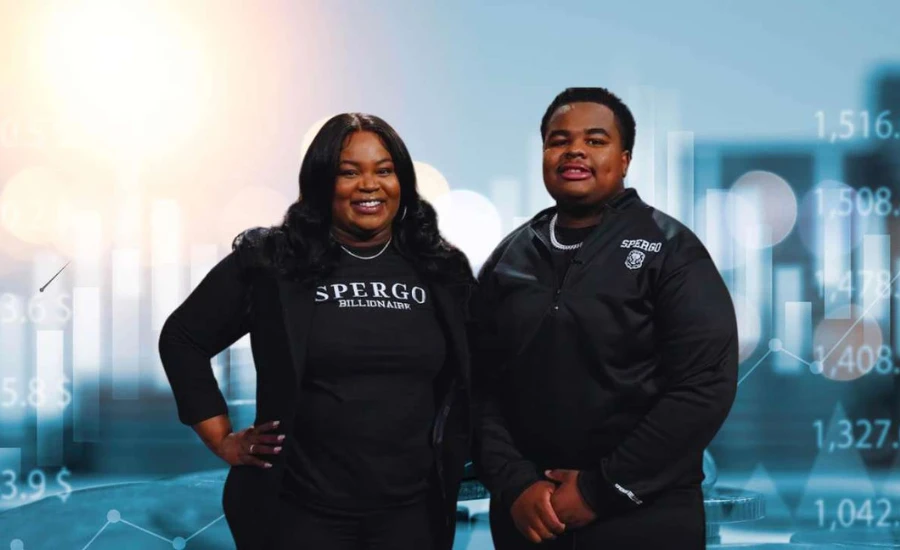
Here’s what the success stories don’t mention: Trey stopped going to school normally.
He was supposed to be in middle school. Instead, he was running a clothing company. His mother supported the idea. She quit teaching. Became his business partner.
By age thirteen, Trey had already made one point eight million dollars. He had already retired his mother. He had already become what most adults dream of—a business owner.
But he was still a kid. His brain wasn’t fully developed. His judgment was still forming. The pressure of running a real company landed on someone who couldn’t legally drive.
Most profiles celebrate this. “Youngest self-made millionaire!” they scream. But nobody asks: what did he lose? What childhood did he skip?
The Inconsistencies In The Numbers Game
The net worth claims are all over the place. That’s suspicious.
In 2021, when Daymond John invested three hundred thousand dollars for twenty percent, Spergo was valued at one point five million dollars. That was official. That was on television.
Then by 2025, suddenly it was worth two point two seven million. Just a ten percent growth per year? That seems slow for a brand getting celebrity endorsements and expanding retail.
Then 2026 comes. New claim: three point five million. That’s fifty percent growth in one year.
Which number is real? Nobody says. The company is private. They don’t release financials. The founders give interviews but control the narrative completely.
The profit margins on streetwear are typically thirty to forty percent. If they’re doing three point eight million in revenue, that’s roughly one point two million in profit. Before taxes, overhead, salaries.
Does that match a three point five million valuation? Maybe. Maybe not. The math gets fuzzy when you’re this young and this private.
The Daymond John Deal: When The Investor Becomes The Star
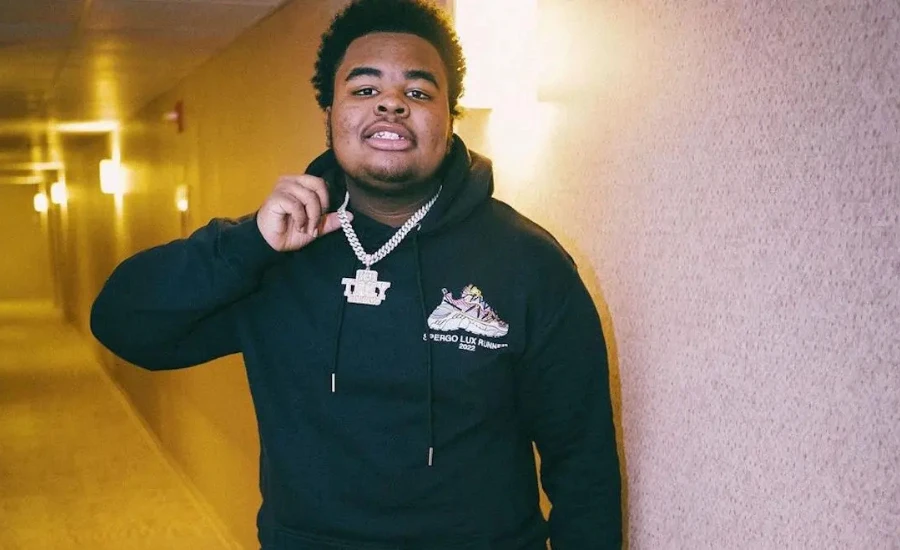
November 2021. Trey walks on stage at Shark Tank. He’s fifteen. Confident. Practiced.
He asks for three hundred thousand dollars in exchange for ten percent of the company.
The sharks listen. Mark Cuban offers three hundred thousand for twenty-five percent. That would’ve valued Spergo at one point two million.
But Daymond John steps in. He knows the streetwear game. He built FUBU from nothing. He sees himself in Trey.
He offers three hundred thousand for twenty percent. Trey negotiates down to… wait. That’s still twenty percent. So the deal is three hundred thousand for twenty percent, valuing the company at one point five million.
Here’s the issue: Was that valuation accurate? Or was it based on Trey’s story more than his actual business performance?
Trey claimed they were tracking toward two point two million in 2021 sales. If that’s true, the valuation makes sense. But independent confirmation? There is none.
The Celebrity Endorsements That Might Be Overstated
Shaquille O’Neal wears Spergo. Charles Barkley wears Spergo. Meek Mill wears Spergo.
But here’s the question: Were they paid to wear it? Or did the brand send them free samples and claim endorsement?
There’s a difference. Paid endorsements show real value. Free samples that celebrities happen to wear can be exaggerated for marketing purposes.
The official Spergo website lists celebrity “supporters.” But it doesn’t clarify: are these paid endorsers or people who happened to post photos wearing the brand?
Diddy got a real relationship—he gave a grant. That’s documented. But the others? The proof is Instagram photos and hearsay.
You may also like Rebecca Heinrich
Frequently Asked Questions
Q: What is Spergo net worth as of 2026?
A: Spergo’s estimated net worth is around $3.5 million in 2026, though the company is private and doesn’t release official financial statements. Previous valuations ranged from $1.5 million (2021) to $2.27 million (2025).
Q: Who founded Spergo?
A: Trey Brown founded Spergo when he was twelve years old in 2018, using $178 in birthday money to buy and customize his first sixteen t-shirts.
Q: How much did Daymond John invest in Spergo?
A: Daymond John invested $300,000 in exchange for a 20% stake in Spergo during the November 2021 Shark Tank episode, valuing the company at $1.5 million.
Q: How much revenue does Spergo make?
A: Spergo was projected to make $2.2 million in 2021 sales. By 2026, estimates suggest annual revenue of $3.8+ million, though exact figures aren’t officially disclosed.
Q: Did Diddy invest in Spergo?
A: No. Diddy provided a $25,000 grant (Black Excellence Entrepreneurial grant) in 2020, which funded Spergo’s first brick-and-mortar store. This was not an equity investment.
Q: How many stores does Spergo have?
A: Spergo has three retail locations: one in North Philadelphia, one in King of Prussia Mall, and one in Pentagon City Mall near Washington DC.
Q: What products does Spergo sell?
A: Spergo sells streetwear including t-shirts ($45), hoodies ($80), sweatpants ($98), socks ($12), accessories, and boxer briefs. All products feature the brand’s empowerment messaging.
Q: Why did Trey Brown start Spergo?
A: Trey started Spergo to combat violence in Philadelphia and inspire youth to stay out of trouble and follow their dreams instead of engaging in destructive behavior.
Q: Has Spergo been profitable?
A: Based on available information, yes. The brand went from $280 in first-week revenue to millions in annual sales within three years. Exact profit margins aren’t disclosed since it’s a private company.
Q: What happened to Trey Brown’s mother Sherell Peterson?
A: Sherell Peterson retired from her teaching job to become COO of Spergo. Trey made this decision at age thirteen, intending to reward his mother’s support and let her work full-time on the business.
Q: Is Trey Brown a billionaire yet?
A: No. As of 2026, Trey Brown’s personal net worth is estimated between $1.5 and $2 million based on his majority stake in Spergo. He stated his goal is to be a billionaire by age 21, but that milestone hasn’t been reached.
Q: What’s the concern with Spergo’s valuation numbers?
A: The valuations have increased significantly each year, but the company is private and doesn’t release financial statements. The numbers come from the founders’ claims and investor valuations, which can be based on potential as much as current performance.