
Writer Magazine’s coverage of this term opens with unusual candor: “Have you ever searched for a word online and found five completely different answers? That is exactly what happens when you look up tumbons.” This is the most accurate sentence written about this search term across all sources reviewed. It names the experience of searching without naming the mechanism that created it. This article names both.
Quick Reference Table
| Identity | Verdict |
|---|---|
| Tambon — Thai subdistrict administrative unit | Real — verified, official, used by Thai government |
| Tumbón — Spanish word for someone who reclines | Real — documented in Spanish dictionaries |
| Tumbon as an outdoor reclining lounge chair | Plausible branding borrowing from Spanish root — no specific verified brand found |
| Tumbons as a handmade woven textile or wrap | Unverified — no specific textile tradition or product confirmed |
| Tumbons as a sacred Pacific Islands cultural mask | Fabricated — one source mixes this in with no documentation |
| Tumbons as a “modern flexible term for brands or digital identity” | Classic content-farm filler — admits having no fixed meaning |
| Tumbons as “ornaments spanning centuries across civilizations” | Fabricated — no historical record, contradicts itself mid-article |
| Tumbons as a “philosophy of flexible intentional work” | Unverified — no named practitioner, organization, or documented framework |
| One Source That Named The Problem Directly | Writer Magazine — “five completely different answers” |
| The Thai Government’s Official Spelling | Tambon (official) or Amphoe subdistrict — not “tumbon” |
The One Real, Documented Identity: Thai Tambons
Thailand divides its administrative structure into levels, and the tambon sits at one of the most important ones for everyday governance. The country has 77 provinces, each divided into districts called amphoe, and each district is further divided into subdistricts called tambon. There are approximately 7,255 tambons across Thailand. Each tambon has its own Tambon Administrative Organization (TAO) — a local government body responsible for local infrastructure, public services, community welfare, and development programs.
This is not a historical curiosity. Tambons are functioning units of current Thai government, involved in road maintenance, local healthcare access, sanitation systems, agricultural support, school operations, and community development funding. They are the level of government most directly felt in rural Thai life — the administrative unit closest to actual villages and communities.
The word “tambon” is the official spelling used by Thailand’s government, academic institutions, and international organizations researching Thai governance. “Tumbon” is a phonetic variant that appears in casual English writing when people transcribe the Thai pronunciation without using the official Romanization. “Tumbons” — the plural, with the Western “s” ending — appears almost exclusively in English-language content and reflects the Western convention of pluralizing foreign nouns that Thai itself handles differently.
Multiple sources correctly identify this Thai administrative meaning. It is independently verifiable through Thailand’s official government websites, academic literature on Southeast Asian governance, and international development organization reporting on rural Thailand.
The Second Real Anchor: Spanish Tumbón
Several sources provide a linguistic origin that is independently verifiable. The Spanish word “tumbón” describes a person who likes to recline, rest, take life slowly, and resist effort. The connotation is mild and often affectionate rather than critical — a tumbón is someone who enjoys leisure, not necessarily a person failing to meet obligations. It derives from “tumbar,” meaning to knock down, fall over, or recline, and carries the image of someone who prefers the horizontal position.
This word is documented in Spanish dictionaries and is genuinely in use in Spanish-speaking contexts. Its relevance to the English search term “tumbons” is that it represents the most plausible root for the furniture-related definitions that proliferate across the content-farm articles — the idea of an outdoor reclining chair carries the tumbón spirit directly.
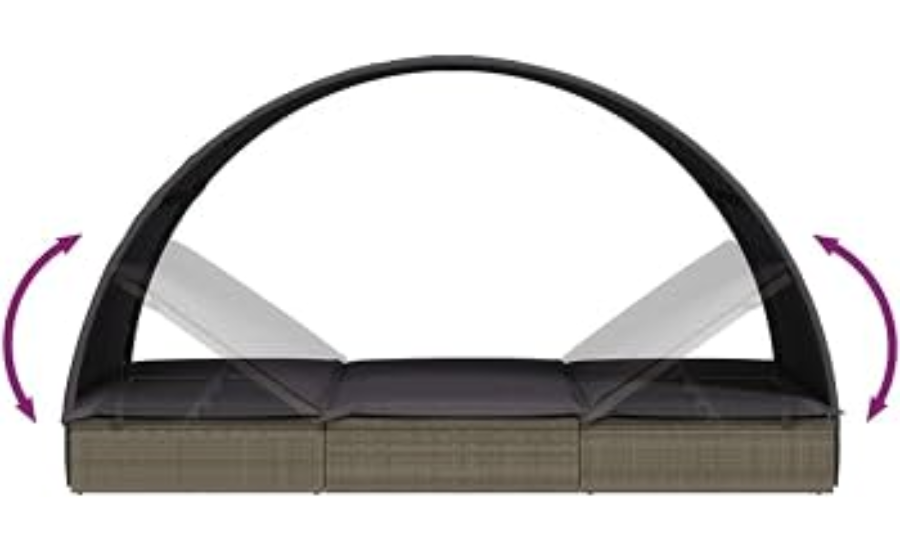
Whether furniture manufacturers or lifestyle brands have actively coined “tumbon” or “tumbons” as product names drawing on this Spanish root is a different question, and a less clearly answered one. Several articles describe tumbons as an outdoor lounge chair category with detailed specifications — adjustable backrests, weather-resistant materials, folding mechanisms, lifespans of five to fifteen years. The descriptions are internally consistent and the product category they describe is real. Outdoor reclining loungers genuinely exist, are genuinely popular, and genuinely borrow from Mediterranean leisure aesthetics where the tumbón concept lives. Whether the specific branded term “tumbon” or “tumbons” is in mainstream use by named furniture manufacturers could not be confirmed through any product catalog, retailer listing, or brand registration reviewed for this article.
The Six Invented or Unverified Definitions
Beyond the Thai administrative unit and the Spanish etymology, the remaining definitions found across the content reviewed fall into fabricated, unverified, or deliberately vague territory.
The handmade woven textile. Several articles describe tumbons as a category of traditional handmade woven wraps or fabric, connected to textile traditions and craftsmanship. No specific textile tradition — not Thai, not Spanish, not any other regional tradition — was found that uses “tumbon” or “tumbons” as a term for a fabric, wrap, or garment type. No weaving community, textile museum, craft organization, or fashion publication uses this term in the documented sense the articles describe. The textile definition appears to be borrowed from the general aesthetic of artisan fabric culture and attached to this word without historical backing.
The Pacific Islands cultural mask. One article introduces the claim that tumbons includes a meaning related to “sacred cultural masks from the Pacific Islands.” No Pacific Islands cultural tradition uses this term for a ceremonial mask. This article appears to have been generated by combining multiple vague “exotic cultural artifact” references under one word, and the mask claim has no documentary support in any anthropological, ethnographic, or cultural heritage source reviewed.
The “modern flexible brand term.” One source, unusually honest about what is happening, describes tumbons as “a modern, flexible term that may represent a brand, a concept, or a digital identity” that “does not belong to a fixed category.” It explicitly acknowledges that “visibility often comes before clarity” in today’s digital ecosystem and that people search terms they encounter without context. This is the most accurate framing of the content-farm dynamic in any source reviewed — but it offers this as a neutral description of the term rather than as an explanation of why multiple invented definitions exist.
The “ornaments spanning centuries across civilizations.” One article describes tumbons as having “an intriguing and illustrious history spanning centuries,” appearing “as basic ornaments in many different civilizations,” serving as “talismans and status symbols,” and representing “cultural fusion, innovation, and uniqueness.” The same article refers to “tumbas” and “tumban” within its own text — different words — suggesting the article was generated without a fixed subject and with content borrowed from multiple unrelated topics. No historical record of ornaments, talismans, or status symbols called “tumbons” was found in any archaeological, anthropological, or cultural history source.
The “philosophy of flexible intentional work.” One article describes tumbons as a modern framework for work and creative output — “a philosophy of flexible, intentional work” where “ease and structure can coexist.” No named practitioner, organization, productivity methodology, or documented use case for this framework was found. It is the generic “productivity mindset” template applied to a low-competition keyword.
The “lifestyle of comfort and ease.” Several articles describe tumbons as a mindset or lifestyle approach centered on slowing down, enjoying simple moments, and creating comfort in daily routines. This is the most philosophically vacuous of the definitions — a description of an attitude that exists in every culture under many names, attached to this specific word without any documented tradition or community of practitioners behind it.
Why This Particular Word Generated So Much Content
The research points toward several overlapping factors. The Thai tambon administrative unit generates genuine search traffic from people researching Thailand’s government structure, planning travel, or studying Southeast Asian development. “Tumbon” as a phonetic spelling of tambon appears in casual English writing and creates search interest from people who encountered the spelling in non-academic contexts.
The Spanish tumbón connection provides a linguistically plausible hook for content creators who want to describe furniture or lifestyle content — it sounds authentic and has a real origin. Combined with the Thai traffic, the word sits at an intersection of genuine search interest from two different source populations, making it commercially attractive for content production.
Multiple content creators, working independently, picked up these two genuine threads and extended them with invented definitions that fit the word’s phonetic profile — it sounds vaguely artisanal, Mediterranean, culturally resonant, and flexible enough to attach to craft, furniture, lifestyle, and organizational frameworks without straining credulity on first reading.
What You Are Likely Actually Looking For

If you are researching Thailand’s administrative structure, the correct term is tambon or Tambon Administrative Organization (TAO). Thai government websites, World Bank reports on Thai decentralization, and academic studies of Southeast Asian local governance all use this spelling and provide detailed, verified information about how these units function.
If you are looking for an outdoor reclining lounge chair, search directly for “outdoor lounge chair,” “reclining sun lounger,” or “patio chaise lounge” rather than “tumbon.” These search terms will surface actual product listings from named manufacturers with verifiable prices and specifications.
If you encountered “tumbons” in a creative or craft context — fabric, furniture design, lifestyle writing — treat it as a branding or aesthetic term borrowed loosely from the Spanish tumbón concept and evaluate whatever specific product or idea it is attached to on its own merits, independent of the word.
You may also like Mannacote
FAQ
1. What does tumbons mean?
It depends entirely on context. In Thai governance, tambon (sometimes spelled tumbon) refers to a subdistrict administrative unit — the most local level of formal government in Thailand. In Spanish, tumbón describes a person who likes to recline and take life slowly. In online content, the word has been attached to outdoor furniture, textiles, lifestyle philosophies, and several other invented definitions with varying degrees of verification behind them.
2. What is a tambon in Thailand?
A subdistrict administrative unit — the level below a district (amphoe) in Thailand’s government hierarchy. There are approximately 7,255 tambons across Thailand, each with its own Tambon Administrative Organization (TAO) responsible for local services and development.
3. Is “tumbon” the correct spelling for the Thai administrative unit?
The official spelling is tambon. Tumbon is a common phonetic variant in casual English writing. Tumbons (with an “s”) is an English plural form that appears in non-governmental English-language content.
4. Is tumbons a real type of furniture?
The product category — outdoor reclining lounge chairs — is real and widely sold. Whether “tumbon” or “tumbons” is used as a specific product name by named manufacturers could not be confirmed through product catalogs or retailer listings during research for this article.
5. What is the Spanish origin of tumbons?
The Spanish word tumbón describes a person who enjoys reclining, resting, and taking life slowly — derived from tumbar (to fall, to knock down, to recline). This is a documented Spanish word and is the most plausible linguistic root for the furniture and leisure-related definitions found in English content.
6. Is tumbons a traditional textile or fabric?
No verified textile tradition uses this term for a fabric, wrap, or garment type. The textile definition appears in multiple content-farm articles but could not be traced to any specific regional craft tradition, museum collection, or fashion publication.
7. Is tumbons a Pacific Islands cultural mask?
No. This claim appears in one article and has no documentary support in any anthropological, ethnographic, or cultural heritage source reviewed.
8. Is tumbons a productivity framework or work philosophy?
No verified framework, named practitioner, or documented organizational methodology uses this term. This definition appears to be generic productivity content attached to the keyword.
9. Why do so many articles describe tumbons differently?
Because the word sits at an intersection of genuine search interest (Thai administrative research and Mediterranean furniture aesthetics) and low-competition keyword space, making it attractive for content production. Different writers independently invented different plausible-sounding definitions to fill that space.
10. Which source was most honest about tumbons? Writer Magazine, which opened its article by noting that searching tumbons returns “five completely different answers” — acknowledging the confusion rather than claiming false certainty about one definition.
11. What should I search for if I want outdoor reclining furniture?
“Outdoor lounge chair,” “reclining sun lounger,” “chaise lounge,” or “patio lounger” will surface actual verified product listings with named manufacturers, specifications, and prices.
12. What should I search for if I want information about Thai tambons?
Search “tambon Thailand” or “Tambon Administrative Organization” for verified information from government sources, World Bank reports, and academic literature on Thai local governance.