
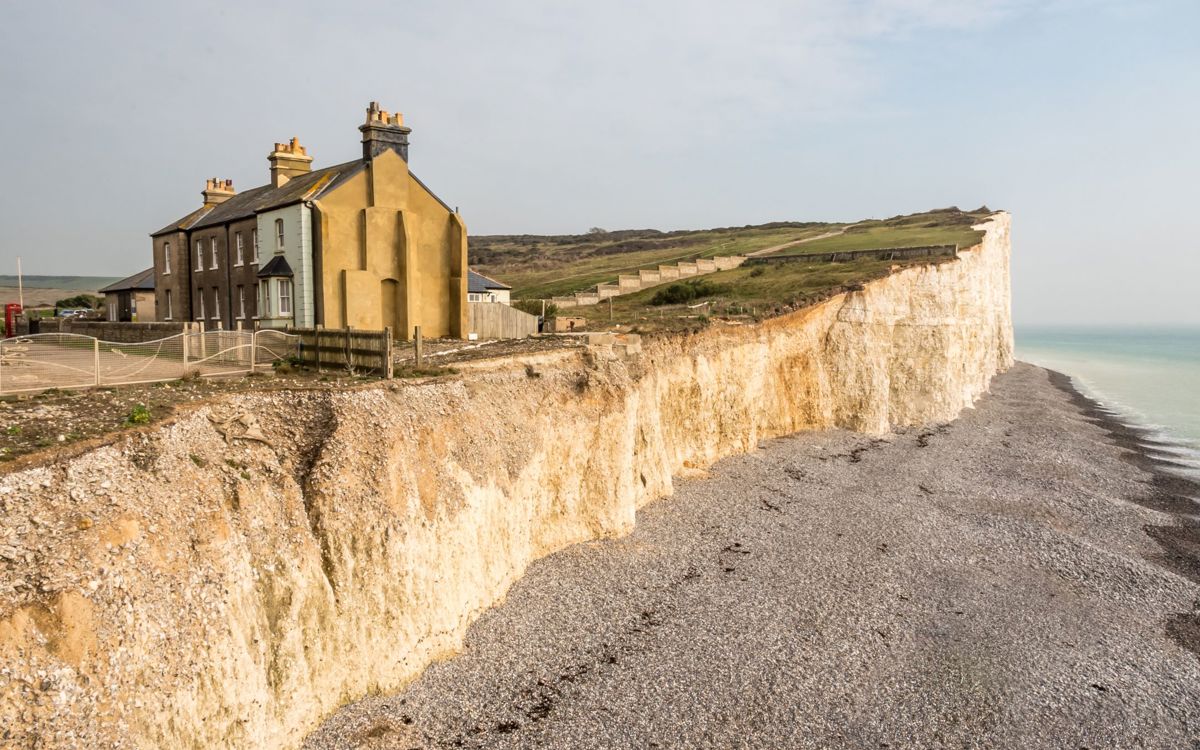
Owning a home by the sea is a dream for many buyers, offering beautiful views, fresh coastal air and the opportunity to enjoy one of Kent’s most popular seaside towns. However, before purchasing a beachfront property, it is important to understand the practical responsibilities that can come with coastal living. Whitstable estate agents can provide valuable local insight, but buyers should also consider factors such as coastal erosion, weather exposure, flood risk and the ongoing maintenance required to protect a property close to the sea.
The Appeal of Beachfront Living in Whitstable
Whitstable has long been admired for its distinctive coastal character. From its working harbour and famous oyster heritage to its independent shops and relaxed atmosphere, the town offers a lifestyle that attracts buyers from across Kent and London.
A beachfront or seafront property can be particularly appealing. Waking up to views across the water, enjoying direct access to the beach and living within walking distance of the town centre can make coastal homes highly desirable.
Properties close to the sea may also offer strong long-term appeal because of their location. However, buying a beachfront home is different from purchasing a property further inland. The coastline can present challenges that need careful consideration before making an offer.
Understanding the condition of the property and the environment surrounding it should be an essential part of the buying process.
Understanding Coastal Erosion
Coastal erosion occurs when waves, tides and weather gradually wear away land along the shoreline. The speed and impact of erosion can vary significantly depending on the type of coastline, weather conditions and existing coastal defences.
For buyers considering a beachfront property in Whitstable, it is important not to assume that every coastal location faces the same level of risk.
Some areas may benefit from established sea defences, while others may experience more natural changes to the shoreline over time. Coastal management plans can also influence how certain stretches of coastline are protected in the future.
Before purchasing a property close to the sea, buyers should investigate the specific location rather than relying on general information about Whitstable.
A solicitor can help identify relevant environmental and coastal searches, while a qualified surveyor can assess the property and highlight potential concerns.
It is also worth reviewing information from local authorities and national organisations responsible for coastal management.
Sea Defences and Their Importance
Sea walls, groynes and other coastal defences play an important role in protecting certain areas from the effects of waves and erosion.
However, buyers should understand that the presence of a sea defence does not automatically mean there is no future risk.
Coastal defences require regular monitoring and maintenance, and long-term strategies can change as environmental conditions develop. In some locations, coastal management plans may focus on maintaining existing defences, while other areas may be managed differently.
If a property is located near a sea wall or other structure, buyers should ask questions about responsibility for maintenance.
In some cases, the relevant authority may manage coastal protection. In others, property owners or groups of residents may have certain responsibilities.
Understanding who is responsible for repairs and maintenance can help buyers avoid unexpected costs in the future.
The Impact of Salt Air on Your Home
One of the most important maintenance considerations for beachfront properties is salt.
Sea air contains salt particles that can settle on buildings, windows, metalwork and outdoor furniture. Over time, this can increase corrosion and cause certain materials to deteriorate more quickly than they would inland.
Metal railings, gates, hinges and external fixtures may require more frequent attention. Regular cleaning and protective treatments can help reduce the effects of salt exposure.
Windows and doors should also be checked regularly. Properties close to the coast can experience strong winds and driving rain, which may place additional pressure on seals and external finishes.
When viewing a beachfront property, buyers should look carefully for signs of corrosion, weather damage and areas that may need ongoing maintenance.
A thorough survey can be particularly valuable for older homes, where previous repairs or exposure to coastal weather may have affected the structure or external materials.
Choosing the Right Building Materials
Coastal properties benefit from durable materials designed to withstand exposure to wind, rain and salt.
If you are planning to renovate or extend a beachfront home, it is worth considering materials that are suitable for the coastal environment.
For example, marine-grade metals and corrosion-resistant fixtures may offer better long-term performance than standard alternatives. Exterior paint and protective coatings designed for coastal conditions can also help protect surfaces.
Roofing materials and guttering should be regularly inspected, particularly after periods of severe weather.
Strong winds can damage loose tiles, flashing and other external features. Blocked gutters may also cause water to collect around the property, increasing the risk of damp or other issues.
Regular maintenance may cost more than it would for a similar property further inland, but staying on top of small repairs can help prevent larger and more expensive problems.
Flood Risk and Insurance
Flood risk is another important consideration when buying close to the coast.
Flooding can result from a combination of factors, including high tides, storm surges, heavy rainfall and rising water levels.
Buyers should investigate the flood history of the area and check whether the property has been affected by flooding in the past.
It is also sensible to speak to insurance providers before exchanging contracts.
Insurance availability and costs can vary depending on the location and perceived level of risk. Obtaining quotes early in the buying process can help buyers understand the potential cost of insuring the property.
Do not leave this until after you have committed to the purchase.
A property may appear to be affordable based on its asking price, but higher insurance costs and ongoing maintenance can significantly affect the overall cost of ownership.
The Importance of a Detailed Survey
A professional survey is essential when buying any property, but it can be particularly important for beachfront homes.
A surveyor can inspect the condition of the property and identify potential issues involving damp, structural movement, roof damage and corrosion.
Older properties may require a more detailed survey, especially if they have been exposed to coastal weather for many years.
Buyers should choose a survey that reflects the age, condition and construction of the property.
If the survey identifies concerns, it may be worth obtaining specialist advice before proceeding. This could include reports from structural engineers, damp specialists or coastal experts, depending on the issue.
The cost of additional inspections may seem inconvenient, but they can provide valuable reassurance and potentially prevent costly surprises after completion.
Maintaining a Beachfront Property
Living by the sea requires a proactive approach to maintenance.
Regular inspections can help identify small issues before they become major repairs. Homeowners should pay particular attention to external surfaces, roofs, gutters, windows, doors and metal fixtures.
Cleaning salt deposits from exposed surfaces can help reduce corrosion. Repainting and resealing external woodwork may also be required more frequently.
It is also important to monitor the surrounding land and shoreline, particularly following severe storms or periods of unusual weather.
While homeowners may not be responsible for managing the coastline itself, being aware of changes in the local environment can help them understand potential risks.
Creating a regular maintenance schedule can make managing a coastal property easier. Seasonal checks, particularly before and after winter, can help ensure that the home remains protected.
Buying with Confidence
A beachfront property in Whitstable can offer an exceptional lifestyle, but buyers should approach the purchase with a clear understanding of the additional responsibilities involved.
The most important step is to research the specific location thoroughly. Coastal erosion and flood risk can vary between different parts of the coastline, and maintenance requirements will depend on the age, design and condition of the property.
Speak to local professionals, arrange appropriate searches and invest in a detailed survey before making a final decision.
It is also worth considering the long-term cost of ownership. A beautiful sea view may be priceless, but maintaining the property requires time, planning and financial commitment.
Is a Beachfront Property Right for You?
For the right buyer, the benefits of living by the sea can far outweigh the additional maintenance.
Whitstable’s coastline, independent character and strong sense of community make it one of Kent’s most desirable places to live.
However, buying a beachfront property should never be based on the view alone.
By understanding coastal erosion, investigating flood and insurance considerations and preparing for regular maintenance, buyers can make a more informed decision.
With careful research and professional advice, owning a home beside the sea can be both an enjoyable lifestyle choice and a rewarding long-term investment.
The key is to look beyond the beach, ask the right questions and ensure you fully understand what comes with life on the coast.