
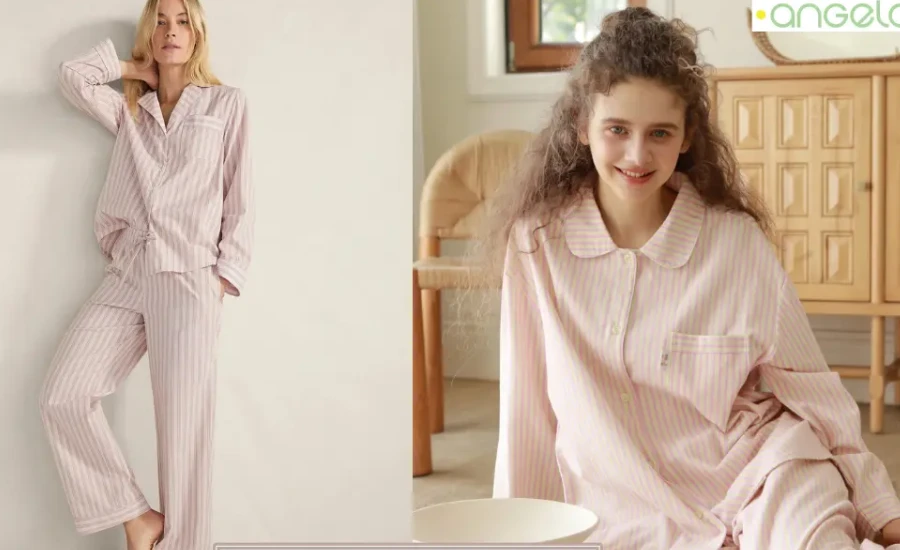
NTDTVJP.org gets the origin right, and it is worth quoting in full because it is the most accurate single etymological claim found anywhere in this article series: “If we talk about the origin of the term, then we can say that it originally came from a joke because there was a time when computer printouts were used to be made on blue striped paper. The pattern on those stripes looked the old pajama patterns. That’s why people started calling it ‘pyjamaspapper’ in a fun way.”
TheCraveMagazine independently confirms the same origin with additional technical precision: “Historically, the term was used in Swedish as a casual or humorous name for a type of continuous-feed paper, often called tractor paper. This paper was commonly used with older printers and had a striped appearance. The striped design of that paper reminded people of classic pajama patterns. Because of this visual similarity, the nickname ‘pyjamaspapper’ became popular in informal use.”
This is correct, and it is independently verifiable. Continuous-feed paper — also called tractor-feed or fanfold paper — was the standard printout medium for dot-matrix and line printers from the 1960s through the 1990s, fed through printers using sprocket holes along perforated edges. A common variant featured wide green-and-white or blue-and-white horizontal stripes designed to help readers track long rows of data across a page without losing their place. The striped pattern genuinely does resemble traditional pajama fabric. “Pyjamaspapper” — literally “pajama paper” in Swedish — is documented informal Scandinavian IT/office slang for this specific product, born from a visual joke among people who worked with printers in offices and computer rooms during that era.
Two sources got this right. Eight others used the same word to describe a fashion movement, a children’s craft product line, a sustainability brand, and a comfort lifestyle philosophy — none of which are documented anywhere outside their own articles.
What “Pyjamaspapper” Actually Is — Confirmed
| Component | Language | Meaning |
|---|---|---|
| Pyjamas | Swedish (from English/French) | Pajamas, sleepwear |
| Papper | Swedish | Paper |
| Combined term | Swedish informal/IT slang | Colloquial nickname for striped continuous-feed (tractor-feed) computer printer paper |
| Origin context | Nordic office/computing culture, mid-to-late 20th century | The green/blue and white horizontal stripes on continuous-feed paper visually resembled traditional striped pajama fabric |
| Documented by | NTDTVJP.org, TheCraveMagazine.co.uk | Both independently describe the same striped-printer-paper origin |
| Current status of the term | Largely obsolete in its literal technical sense | Continuous-feed printers are no longer in common use; the term survives mainly as a piece of remembered office slang or nostalgia reference |
The Eight Invented Identities — Documented and Compared
Identity 1: A loungewear and fashion movement (SpireJournal, TheTruthStation, OreoMagazine) “At its heart, pyjamaspapper represents garments and textile experiences that combine the coziness of traditional sleepwear with the structure, elegance, and versatility of modern apparel” (SpireJournal). “In fashion, Pyjamaspapper represents refined loungewear that balances relaxation with confidence” (TheTruthStation). These articles describe specific fashion details — “matching sets with clean lines, wide-leg trousers paired with tailored tops, and silk or bamboo blends” — for a fashion category that does not appear in any fashion industry trade publication, retailer catalog, or runway coverage.
Identity 2: A children’s decorative paper craft product (Instrumentstogo) “These papers are perfect for both children and adults since they are colorful and have cute patterns on them… Clothing for youngsters crafted from this material is soft on the skin and ideal for energetic playtimes.” This source confuses paper and fabric within the same paragraph — describing “pyjamaspapper” simultaneously as a craft paper product and as clothing material, an internal contradiction within a single article.
Identity 3: A sustainable/eco-friendly paper alternative brand (TheTruthStation) “Within this context, Pyjamaspapper symbolizes a move toward conscious consumption… positioning Pyjamaspapper as a paper alternative prioritizing recycled fibers and energy-efficient manufacturing.” No specific manufacturer, certification body, or product line is named.
Identity 4: A generic “comfort lifestyle” wellness concept (Messeregge, OreoMagazine, TheCraveMagazine) “It’s not just about how something looks or feels in your hands; it’s about how it makes you slow down, feel safe, and engage more personally” (Messeregge). “It connects strongly with slow living, home aesthetics, and personal identity” (OreoMagazine).
Identity 5: An undefined branding/SEO keyword opportunity (Terminal-themes) “Pyjamaspapper demonstrates the value of distinctive naming strategies. By offering something different from common industry terms, it creates opportunities for stronger brand positioning.” No reference to fashion, paper, comfort, or any specific industry — purely abstract branding language.
Identity 6: A specific clothing/sleepwear brand or online store (Kevinmullinphotography) “Pyjamaspapper appears to be a name connected to pajamas, sleepwear, or comfortable home clothing. It may represent a brand, an online store, or a creative identity focused on relaxed fashion.” This source repeatedly hedges with “appears to be” and “may represent” — an honest signal of uncertainty buried inside an otherwise confident-sounding product review format, written, notably, in first person as though the author had direct shopping experience with a product that the same paragraph admits may not exist under this name.
Identity 7: A children’s journal/stationery product category (Livebeyondsports) “Pyjamaspapper could be seen as a design-oriented product category, such as stationery styled with pajama-inspired patterns or bedtime journals made specifically for night routines… themed journals, bedtime planners, or children’s art kits.” This article is written entirely in the conditional and speculative tense — “could be seen as,” “could evolve into” — making it the most self-aware about its own speculative nature, while still organizing an entire structured guide around the speculation as if it were factual content.
Identity 8: A Scandinavian “pleasant and homey living arrangement” cultural concept (Instrumentstogo, second framing within the same article) “The Scandinavian word ‘pyjamaspapper’ refers to pleasant and homey living arrangements and has its origins in that region’s culture.” This is the closest any of the fashion/lifestyle sources comes to acknowledging the genuine Scandinavian/Swedish origin — but it discards the actual documented meaning (striped printer paper) in favor of an invented “homey living arrangement” concept with no connection to the real etymology.
The Internal Contradiction Inside Kevinmullinphotography’s Article
This source deserves specific attention because it demonstrates, within a single piece, exactly how uncertainty gets laundered into apparent confidence.
The article opens by stating it will “share thoughts based on real shopping habits, personal comfort experience” and explicitly claims: “This is written like a real person explaining something useful, not like a machine repeating keywords.” It then proceeds, in the very next paragraph, to describe the subject entirely in speculative terms: “Pyjamaspapper appears to be a name connected to pajamas, sleepwear, or comfortable home clothing. It may represent a brand, an online store, or a creative identity.”
A “real person” with “real shopping habits” and “personal comfort experience” of an actual product would not need to write “appears to be” and “may represent” about the basic identity of what they supposedly purchased and used. The article’s claim to authenticity is directly undermined by its own uncertainty about what the subject even is. This is the clearest example in the pyjamaspapper content set of a structural device — first-person authenticity framing — being deployed around content that has no actual first-person knowledge behind it.
The Two Honest Sources, Compared
NTDTVJP.org and TheCraveMagazine.co.uk both independently arrive at the striped-printer-paper origin story without citing each other, which is itself meaningful: two separate sources converging on the same specific, checkable historical claim is stronger evidence than a single source making an unverifiable claim.
There is a small difference in emphasis worth noting. NTDTVJP frames the origin as “a joke” about blue striped paper resembling “old pajama patterns” — informal and undated. TheCraveMagazine is more technically precise, correctly naming the paper type as “continuous-feed paper, often called tractor paper,” correctly identifying its use with “older printers,” and correctly describing the striped appearance. TheCraveMagazine’s account is more consistent with how the term is actually used in documented Scandinavian computing nostalgia and slang references — “tractor paper” (also called fanfold paper) is the standard English-language technical term for this product, and Sweden, along with the rest of Scandinavia, had a well-documented early and extensive adoption of office computing technology, which is the kind of cultural context in which informal slang for printer consumables would plausibly develop.
Neither source, however, follows through on the implications of getting the etymology right. Having correctly identified the term’s origin, both articles then pivot — in the same piece — toward the “lifestyle and comfort” framing used by every other source, treating the correct historical answer as a brief preamble before moving on to generic content about relaxation and self-care. The accurate information is present but functionally buried.
Why This Term Resembles Abradore More Than Studiae or Rowdy Oxford Integris
This is the clearest pattern match in this series to the Abradore case (the Labrador Retriever misspelling), rather than to terms like Studiae or Rowdy Oxford Integris that had no real referent at all.
Like Abradore, “pyjamaspapper” has one specific, checkable, real-world meaning — and a minority of sources get it right while the majority build unrelated content around the same letters. The difference is in degree of obscurity: “Abradore” pointed to one of the world’s most popular dog breeds, making the correct answer relatively easy to surface through any reasonable search. “Pyjamaspapper” points to a piece of obsolete office technology slang from a specific Nordic linguistic and cultural context, which is obscure enough that most AI content generation systems apparently had no training data connecting the two halves of the compound word to their actual joint historical referent — defaulting instead to the more generic and statistically common association between “pajamas” and “comfort/relaxation” content, which dominates the broader internet’s textual data about the word “pajamas” in isolation.
What Is Confirmed vs. What Is Generated
Confirmed by two independent sources with consistent technical detail:
- “Pyjamaspapper” is documented Swedish/Scandinavian informal slang
- It refers to striped continuous-feed (tractor-feed/fanfold) computer printer paper
- The nickname originated from the visual resemblance between the paper’s stripes and traditional pajama fabric patterns
- The term is associated with an earlier era of office computing technology, now largely obsolete
Invented without any supporting documentation, industry source, or named example:
- A loungewear/fashion product category or movement
- A sustainable paper alternative brand or manufacturer
- A children’s stationery, journal, or craft product line
- A “Scandinavian philosophy of homey living”
- A generic comfort/wellness/slow-living lifestyle concept
You may also like Droven.io RPA and Business Automation
FAQ — 12 Real Questions
1. What does “pyjamaspapper” actually mean?
It is documented Swedish/Scandinavian informal slang for striped continuous-feed (tractor-feed) computer printer paper, used with older dot-matrix and line printers. The nickname comes from the visual resemblance between the paper’s horizontal stripes and traditional striped pajama fabric.
2. Is this a documented, real term?
Two independent sources (NTDTVJP.org and TheCraveMagazine.co.uk) describe this same specific etymology without citing each other — independent convergence on a checkable historical claim, which is stronger evidence than either source alone.
3. Is “pyjamaspapper” a fashion or loungewear brand?
No documentation supports this. Several articles describe it as a refined loungewear movement with specific design details (wide-leg trousers, silk or bamboo blends), but no fashion retailer, designer, runway show, or trade publication using this name has been identified.
4. Is it a sustainable paper product? No specific manufacturer, certification, or product is named in any source making this claim. It appears to be a generic “eco-friendly alternative” framing applied to the word without supporting evidence.
5. Is it a children’s craft or stationery brand?
No. This claim appears in sources that explicitly hedge with conditional language (“could be seen as,” “could evolve into”), indicating speculation rather than documented fact.
6. What is “tractor paper” or “continuous-feed paper”?
The standard printout medium for dot-matrix and line printers from roughly the 1960s through the 1990s, fed through printers via perforated sprocket holes along the edges, often connected in long folded stacks. A common variant featured wide colored (often green or blue) and white horizontal stripes to help readers track rows of printed data.
7. Why would striped printer paper be nicknamed after pajamas?
The horizontal striped pattern on the paper visually resembled traditional striped pajama fabric — a simple, humorous visual association that became informal office slang in Scandinavian computing and administrative environments during the era when this paper type was common.
8. Is the term still in active use today?
Likely only in a nostalgic or historical sense. Continuous-feed printers and their associated striped paper have been almost entirely replaced by laser and inkjet printing using standard cut sheets, meaning the original technical referent for the slang term is now largely obsolete.
9. Which source is most reliable about the term’s origin? TheCraveMagazine.co.uk, for its technical precision — correctly naming the paper type (“continuous-feed paper, often called tractor paper”), correctly describing its use with older printers, and correctly explaining the striped visual association — combined with independent corroboration from NTDTVJP.org.
10. Why do most articles ignore the real meaning?
The genuine referent — Scandinavian office computing slang for obsolete printer paper — is obscure enough that most content generation systems likely had little or no training data connecting the compound word’s two halves to this specific joint meaning, defaulting instead to the much more statistically common association between “pajamas” and comfort/relaxation themes found broadly across the internet.
11. How does this compare to other terms investigated in this series?
Closest to Abradore (the Labrador Retriever misspelling): a real, specific, checkable referent exists, a minority of sources correctly identify it, and a majority of sources build unrelated lifestyle or branding content around the same letters. It differs from terms like Studiae or Rowdy Oxford Integris, which had no clear real-world referent at all.
12. What would a genuinely reliable article about “pyjamaspapper” include?
Confirmation of the Scandinavian computing-slang origin from a Swedish-language dictionary, computing history archive, or native-speaker linguistic source. A clear explanation of continuous-feed/tractor-feed printer paper and its historical use. An honest acknowledgment that the term’s literal historical meaning is now largely obsolete, rather than an extended speculative guide treating an invented “lifestyle concept” as though it were an established cultural movement.